
Armed forces need a new balance: Retaining 100% of Agniveers
The Chief of Defence Staff reveals the armed forces need a balance of youth and experience, shifting to full-term retention for all Agniveers.
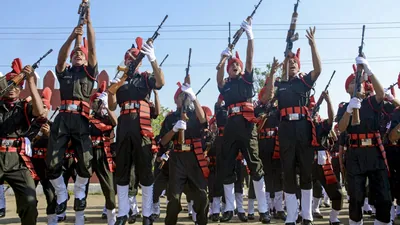
Integrating Maturity and Energy in Modern Defense Structures
Latest on Armed Forces Need: Effective military strategy hinges on a strategic mix of personnel profiles. Leadership experts consistently argue that the armed forces need a harmonious blend of vigor and seasoned wisdom to maintain operational readiness. Achieving this balance ensures that both youth and experience contribute effectively to national security goals.
Why the armed forces need structural flexibility
Recent policy shifts highlight a transition in how military personnel are managed. Authorities have moved away from the initial plan to release 75% of recruits after four years. Instead, the focus has shifted toward retaining all personnel for full-term service. This change demonstrates that the armed forces need a stable foundation to support complex modern operations.
Strategic planners recognize that rapid turnover can disrupt unit cohesion. By retaining trained personnel, the military ensures that institutional knowledge remains within the ranks. Officials confirm that the armed forces need this continuity to succeed in multifaceted combat environments.
The synergy of youth and experience
Integrating fresh recruits with veteran soldiers creates a dynamic professional environment. Youth brings physical agility and rapid adaptation to emerging technologies. Conversely, experience provides the tactical judgment required during high-stakes decision-making.
Maintaining this dual focus offers several distinct advantages
- Enhanced battlefield adaptability through varied perspectives.
- Faster integration of digital tools by younger cohorts.
- Mentorship opportunities where veterans guide newer recruits.
It is evident that the armed forces need these diverse skill sets to remain resilient. Relying solely on one demographic profile would create significant capability gaps. Therefore, the armed forces need proactive management to blend these unique contributions.
Adapting for long-term stability
The decision to retain all service members marks a significant departure from previous recruitment frameworks. This adjustment reflects a commitment to long-term professional development. Every soldier now has a clearer path for a full-term career within the organization.
Leaders emphasize that the armed forces need such long-term commitments to cultivate specialized expertise. Specialized roles often require years of dedicated training and field practice. As a result, the armed forces need consistent retention policies to protect these critical investments in human capital.
Professional military development relies on the progression of talent over time. By fostering a career-oriented culture, the institution secures its future performance. The shift underscores the importance of valuing every individual’s growth within the service.
Ultimately, the goal is to optimize the force structure for future challenges. A stable, well-trained, and experienced cohort provides the best defense against evolving threats. By prioritizing a blend of vitality and seasoned skill, the military ensures it stays prepared for any scenario. This strategic evolution remains essential for the continued efficacy of national security operations.
More updates
Follow the latest India news and related coverage.
What's Your Reaction?
 Like
0
 Dislike
0
 Love
0
 Funny
0
 Wow
0
 Sad
0
 Angry
0

Ananya Das writes about food, fashion, travel and modern living. Her stories mix practical tips with warm, personal storytelling. She enjoys exploring local traditions and discovering the small things that make everyday life better.







Comments (0)