
Biotech Firms Develop GLP-1 Weight-Loss Implants and Injections to Combat Pet Obesity
The weight-loss drug revolution has officially reached veterinary medicine. Biotech companies are currently developing and testing GLP-1 receptor agonists—the same class of drugs as human medications like Ozempic and Wegovy—specifically designed for overweight cats and dogs. With products like OKAVA Pharmaceuticals' six-month implant (OKV-119) and Akston Biosciences' once-weekly injection currently in early-stage clinical trials, these therapies aim to combat a growing pet obesity epidemic without relying on daily pills or drastic changes to feeding routines.

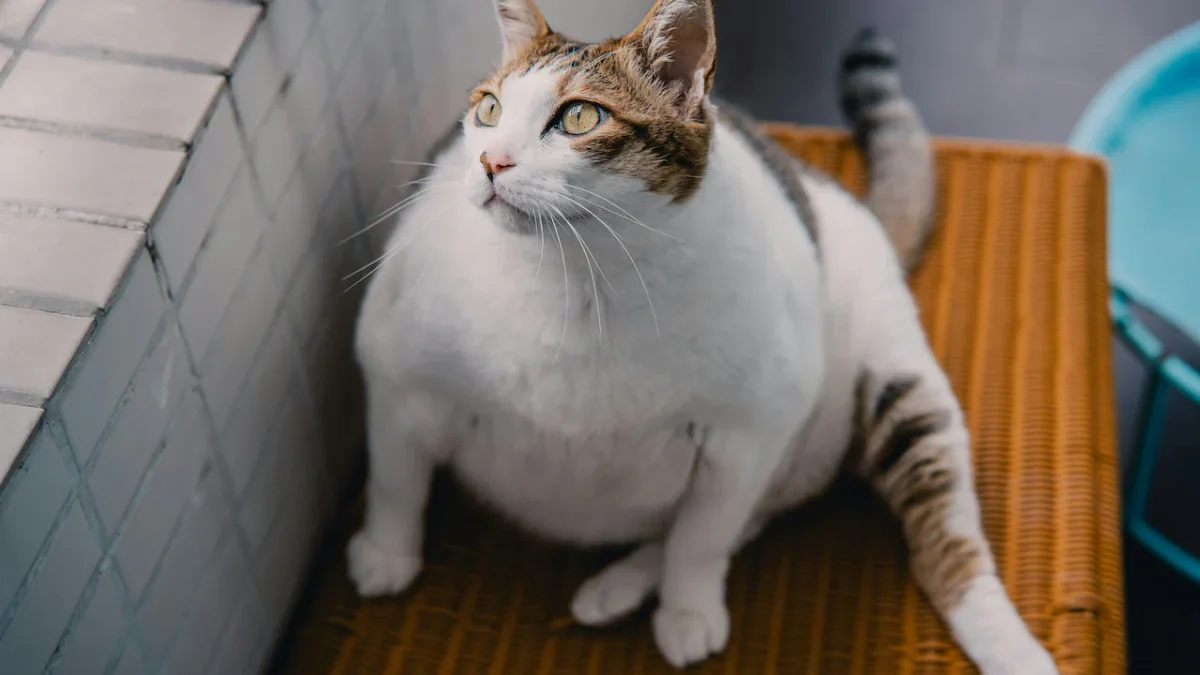
SAN FRANCISCO — The highly popular class of weight-loss drugs transforming human medicine is now being adapted for the veterinary world. Several biotech firms are actively developing and testing GLP-1 receptor agonists—drugs similar to the active ingredients found in human treatments like Ozempic and Wegovy—specifically engineered to treat overweight cats and dogs.
This scientific pivot addresses a massive, growing health crisis in companion animals. According to recent veterinary statistics, approximately 61% of cats and 59% of dogs in the United States are currently classified as overweight or obese. This excess weight significantly increases the risk of severe comorbidities, including diabetes mellitus, severe osteoarthritis, and chronic heart disease, ultimately reducing the pets' overall lifespans.
Long-Acting Implants and Weekly Injections
Because pets are notoriously difficult to medicate, developers are bypassing daily pills in favor of long-acting drug delivery systems:
-
The Six-Month Implant: OKAVA Pharmaceuticals is pioneering an ultra-long-acting subcutaneous implant known as OKV-119. The tiny device is designed to be easily inserted during a routine veterinary visit and steadily releases the GLP-1 medication (exenatide) over a six-month period, ensuring complete adherence and eliminating the hassle of daily treatments.
-
Once-Weekly Therapies: Concurrently, Akston Biosciences is conducting clinical studies on a once-weekly injection therapy designed to help pets regulate their appetites effectively.
The Metabolic Benefits
Just like their human counterparts, these specialized veterinary treatments work by mimicking natural hormones to suppress appetite and stimulate a feeling of fullness. The biological mechanisms provide profound metabolic benefits, including:
-
Significantly improved insulin sensitivity.
-
More efficient energy metabolism and a reduction in fat mass.
-
Reliable weight loss without requiring pet owners to enforce strict, significant changes to their pets' feeding routines.
By eliminating the need for extreme diets, the treatments are designed to preserve the human-animal bond, which often heavily centers around the ritual of feeding.
Current Clinical Status
While the initial data is highly promising, pet owners will have to wait before they can request these treatments at their local clinics. The products are currently advancing through early-stage clinical trials, most notably OKAVA's landmark MEOW-1 (ManagEment of OverWeight cats with OKV-119) trial.
Because safety and long-term tolerability must still be definitively proven across different breeds and metabolic conditions, none of these GLP-1 veterinary products have yet been approved for general commercial use by the FDA's Center for Veterinary Medicine.
What's Your Reaction?
 Like
0
Like
0
 Dislike
0
Dislike
0
 Love
0
Love
0
 Funny
0
Funny
0
 Wow
0
Wow
0
 Sad
0
Sad
0
 Angry
0
Angry
0











Comments (0)