
Bombay High Court Quashes FIR: Official Ruling on Student Repost Case
The Bombay High Court has quashed an FIR against a student over the "Op Sindoor" post, ruling her role was limited to re-posting and citing custody.
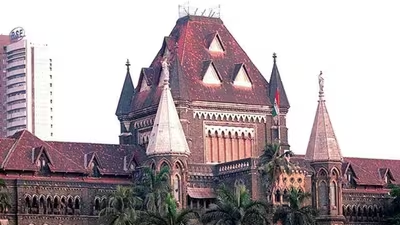
Legal Clarity on Social Media Liability: Bombay High Court Quashes FIR
The bombay high court has delivered a significant ruling regarding the limits of criminal liability for digital content dissemination. By setting aside an FIR linked to the op sindoor case, the judiciary has clarified the legal standing of individuals who merely share existing online material. This student fir quashed order highlights the necessity of distinguishing between original authors and secondary distributors.
Recent judicial scrutiny suggests that social media reposting does not automatically equate to criminal intent or liability. The bombay high court emphasized that legal frameworks must account for the specific involvement of an accused individual. Consequently, this bombay hc judgment serves as a vital precedent for similar future disputes.
Judicial Perspective on the Bombay High Court Ruling
The bench observed that the individual’s actions were limited to forwarding an existing post. Because her involvement was restricted to this passive role, the court found the criminal proceedings against her to be unjustified. This finding underscores the importance of evaluating specific conduct within the broader op sindoor case.
The bombay high court noted several critical factors during the proceedings
- The applicant’s role was strictly confined to re-posting the content.
- The accused had already endured a period of custody during the investigation.
- Continued legal action was deemed unnecessary given the limited nature of her participation.
Implications for Digital Expression
This legal relief for student petitioners provides a clear signal regarding the threshold for prosecution in online speech matters. The bombay high court indicated that judicial resources should be focused on primary actors rather than those who simply amplify content. Such a stance prevents the unnecessary victimization of individuals for minor digital interactions.
Furthermore, the bombay high court recognized the professional and personal toll of prolonged litigation. By quashing the FIR, the court effectively ended the uncertainty surrounding the petitioner’s future. This ruling offers a sense of finality to the parties involved.
Evaluating Intent and Participation
Legal experts note that the bombay high court prioritizes the principle of individual culpability. If an accused party does not demonstrate criminal intent, the threshold for a conviction remains unmet. This analysis remains central to the integrity of the judicial process.
The distinction between content creation and simple social media reposting is vital for online freedom. By refusing to uphold the charges, the court has reinforced that passive sharing is not inherently criminal. This provides a clear framework for how authorities should handle similar cases in the future.
In conclusion, the decision reinforces the protection of individuals against disproportionate legal action. By quashing the FIR, the court has successfully balanced the need for public order with the rights of the individual. This ruling stands as a testament to the evolving nature of digital rights within the Indian legal system.
More updates
Follow the latest India news and related coverage.
What's Your Reaction?
 Like
0
 Dislike
0
 Love
0
 Funny
0
 Wow
0
 Sad
0
 Angry
0

Vikram Singh is a sports journalist who has followed cricket and football from local grounds to international stadiums. His match reports and player profiles capture both the numbers and the emotion of the game. He is passionate about grassroots sport and young talent.








Comments (0)