
Cyclone naming process: The Essential Guide to How Storms Get Named
As Cyclone Arnab nears, explore the science behind the cyclone naming process. Learn how regions select names and track storms in the Indian Ocean.
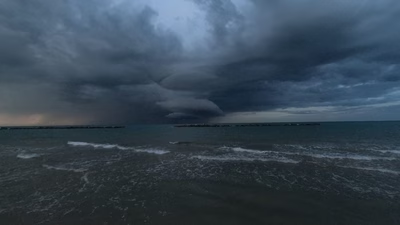
As Cyclone Arnab Approaches: Understanding the Science Behind Storm Nomenclature
Latest on Cyclone Naming Process: The impending arrival of Cyclone Arnab brings renewed attention to the international protocols governing weather events. Experts often emphasize that the cyclone naming process serves a critical function beyond mere identification. By assigning specific titles, meteorological agencies ensure clarity for disaster management teams and the general public.
Standardized identification helps prevent confusion when multiple storms occur simultaneously in the same region. This cyclone naming process is deeply rooted in scientific cooperation between neighboring nations. Understanding how cyclones get their names reveals a complex framework designed for global safety.
The Global Framework for Naming Tropical Storms
The cyclone naming process is managed by regional meteorological bodies under the World Meteorological Organization. Each region maintains specific lists to ensure cultural relevance and linguistic variety. Naming tropical storms systematically reduces potential errors during high-pressure emergency situations.
These names are selected based on strict criteria to avoid sensitive or offensive terminology. Meteorologists follow these primary objectives when developing new lists:
- Improving public awareness during severe weather events.
- Facilitating clear communication between coastal nations.
- Ensuring rapid dissemination of storm tracking data.
Scientific Criteria and the Cyclone Naming Process
The cyclone naming process is not arbitrary; it relies heavily on established tropical cyclone science. Meteorologists must first confirm that a low-pressure system has reached a specific intensity. The cyclone classification system triggers the naming protocol only after wind speeds cross predefined thresholds.
In the Indian Ocean region, the india meteorological department plays a lead role in tracking these disturbances. They monitor wind patterns and pressure drops to determine if a system qualifies for a formal name. This cyclone naming process ensures that only significant weather threats are officially designated.
Institutional Roles and Regulatory Oversight
Regional specialized centers collaborate to maintain the integrity of the cyclone naming process. The india meteorological department coordinates with other member countries to approve names well in advance. This collaborative approach highlights the importance of shared data in tropical cyclone science.
Each agency adheres to a rigorous cyclone classification system to maintain consistency across borders. By following these international standards, authorities guarantee that the public receives accurate and timely information. The cyclone naming process remains a cornerstone of modern emergency preparedness and maritime safety.
The structured assignment of names is essential for tracking complex meteorological phenomena. As Cyclone Arnab nears, the public should rely on official bulletins provided by meteorological centers. These organizations utilize a robust cyclone classification system to provide life-saving warnings.
Ultimately, the science of naming storms bridges the gap between raw data and public safety. Whether through the india meteorological department or international peers, these protocols remain vital. Effective communication remains the most powerful tool for mitigating the impacts of severe weather globally.
More updates
Follow the latest India news and related coverage.
What's Your Reaction?
 Like
0
 Dislike
0
 Love
0
 Funny
0
 Wow
0
 Sad
0
 Angry
0

Vikram Singh is a sports journalist who has followed cricket and football from local grounds to international stadiums. His match reports and player profiles capture both the numbers and the emotion of the game. He is passionate about grassroots sport and young talent.










Comments (0)