
Delhi school closure: Official Supreme Court Stance on Air Quality
Supreme Court expresses hesitation over a Delhi school closure, questioning if medical data proves younger children face higher risks from toxic air.
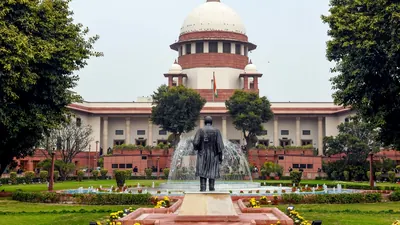
Judicial Caution Amidst Delhi’s Environmental Emergency
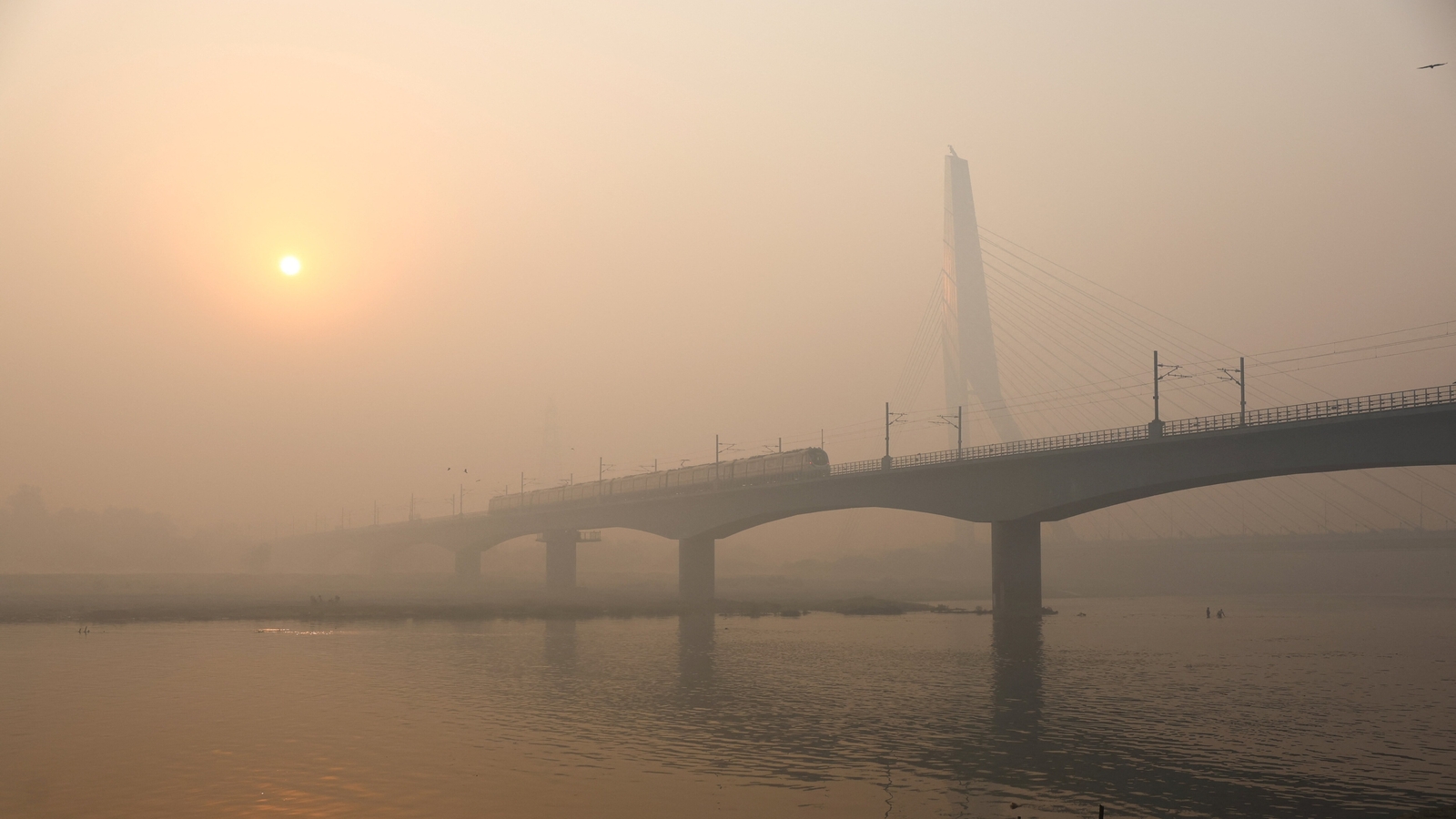
The Supreme Court recently expressed hesitation regarding a mandatory delhi school closure despite the city’s deteriorating atmosphere. Judges prioritized keeping classrooms open while debating the necessity of shifting education to digital platforms. This stance reflects a complex balancing act during the ongoing delhi air quality crisis.
Questioning the Necessity of a Delhi School Closure
The bench raised significant inquiries regarding the impact of atmospheric toxins on students. Specifically, they questioned if air pollution medical research provides clear evidence that younger children face higher risks than older pupils. This skepticism suggests that the court requires more scientific data before ordering a widespread delhi school closure.
The judiciary is currently reviewing the supreme court air pollution case with a focus on long-term educational stability. Children health air pollution concerns remain a primary driver for the petitioners seeking immediate relief. However, the bench emphasized that shutting down physical institutions should not be the first or only response to the crisis.
Balancing Education and Public Safety
The court acknowledged the severity of the delhi pollution schools face due to toxic haze. Nevertheless, they seem wary of the potential learning loss associated with shifting to online-only instruction. Officials must now determine if a delhi school closure is truly the most effective method to protect students.
Several factors are influencing the court’s reluctance to mandate a full-scale shutdown
- The potential for significant gaps in academic progress.
- Difficulty in verifying if virtual learning is a viable substitute for every demographic.
- The lack of definitive medical consensus on age-specific vulnerability levels.
Reviewing Evidence on Vulnerability
Legal discussions have centered on whether age-based restrictions are scientifically justified. The court remains cautious about implementing a delhi school closure without robust, peer-reviewed data. They highlighted that policy decisions must be grounded in verified facts rather than generalized fears about children health air pollution.
The justices maintained that education remains a vital right that should not be interrupted lightly. They indicated that any future delhi school closure would require a much higher burden of proof. This cautious approach ensures that the delhi air quality crisis is addressed without unnecessarily compromising the academic future of the youth.
Conclusion
The Supreme Court’s current position underscores a cautious approach to the delhi school closure debate. By demanding credible air pollution medical research, the bench aims to move beyond reactive measures. The ultimate goal is to find a sustainable strategy that protects student welfare while maintaining consistent access to education. Balancing these critical needs remains the central challenge for the judiciary as the winter season progresses.
More updates
Follow the latest India news and related coverage.
What's Your Reaction?
 Like
0
 Dislike
0
 Love
0
 Funny
0
 Wow
0
 Sad
0
 Angry
0

Vikram Singh is a sports journalist who has followed cricket and football from local grounds to international stadiums. His match reports and player profiles capture both the numbers and the emotion of the game. He is passionate about grassroots sport and young talent.







Comments (0)