
E100 certification: New Official Standards for Flex-Fuel Vehicles
The Centre has officially cleared E100 certification for flex-fuel vehicles. Discover what this means for high-ethanol engines and current fuel hurdles.
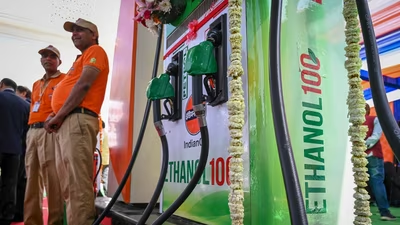
India has taken a significant step toward energy independence by approving the e100 certification for specialized automotive transport. This policy shift supports the broader flex-fuel vehicle policy aimed at reducing oil import dependency. By greenlighting this framework, the government creates a path for engines capable of running on pure ethanol.
The Scope of E100 Certification Standards
The move to authorize e100 certification focuses exclusively on vehicles engineered for high-ethanol consumption. These machines differ fundamentally from the standard petrol engines currently found on Indian roads. Consequently, the e100 certification does not apply to conventional cars already in circulation.
Regulators have carefully designed these high-ethanol fuel standards to ensure engine compatibility and safety. Manufacturers must now align their designs with these specific indian vehicle regulations. Without such rigorous e100 certification protocols, high-blend fuel usage would risk damaging standard mechanical components.
Market Challenges and Fuel Logistics
Despite this progress, the transition faces several practical hurdles regarding market adoption. Limited ethanol blending news points to a gradual rollout rather than an immediate national shift. Widespread consumer uptake requires addressing the following key obstacles:
- Restricted availability of pure ethanol fuel stations across the country.
- A current lack of commercial inventory for high-ethanol capable vehicles.
- The logistical complexity of building a specialized supply chain for non-petrol fuels.
These factors make the e100 certification a long-term strategic play rather than a short-term fix. Furthermore, the limited number of vehicles currently designed for this technology remains a primary bottleneck. These automotive fuel updates highlight that infrastructure must catch up to the technical approvals.
Future Outlook for Ethanol Technology
The administration remains committed to diversifying its energy basket through these strategic policy adjustments. While the e100 certification is a milestone, industry players are still navigating the technical requirements for mass-market production. Expanding the reach of e100 certification will eventually depend on how quickly fuel stations can adapt to higher concentrations.
Experts suggest that building public confidence is essential for the success of this initiative. As the e100 certification framework matures, more manufacturers may choose to invest in these specialized powertrains. Future success relies on the synergy between government mandates and private sector execution.
In conclusion, the government has provided the necessary regulatory foundation for pure ethanol fuel usage. While challenges in supply and vehicle availability persist, this policy marks a clear direction for the domestic transport sector. By focusing on e100 certification, the country is systematically laying the groundwork for a more sustainable energy future.
More updates
Follow the latest India news and related coverage.
What's Your Reaction?
 Like
0
 Dislike
0
 Love
0
 Funny
0
 Wow
0
 Sad
0
 Angry
0

Ananya Das writes about food, fashion, travel and modern living. Her stories mix practical tips with warm, personal storytelling. She enjoys exploring local traditions and discovering the small things that make everyday life better.










Comments (0)