
Flex-fuel vehicles: Official Rules for E100 Usage Explained
The government has amended motor vehicle rules to allow flex-fuel vehicles running on E100. Learn which certified models can use this high-blend fuel.
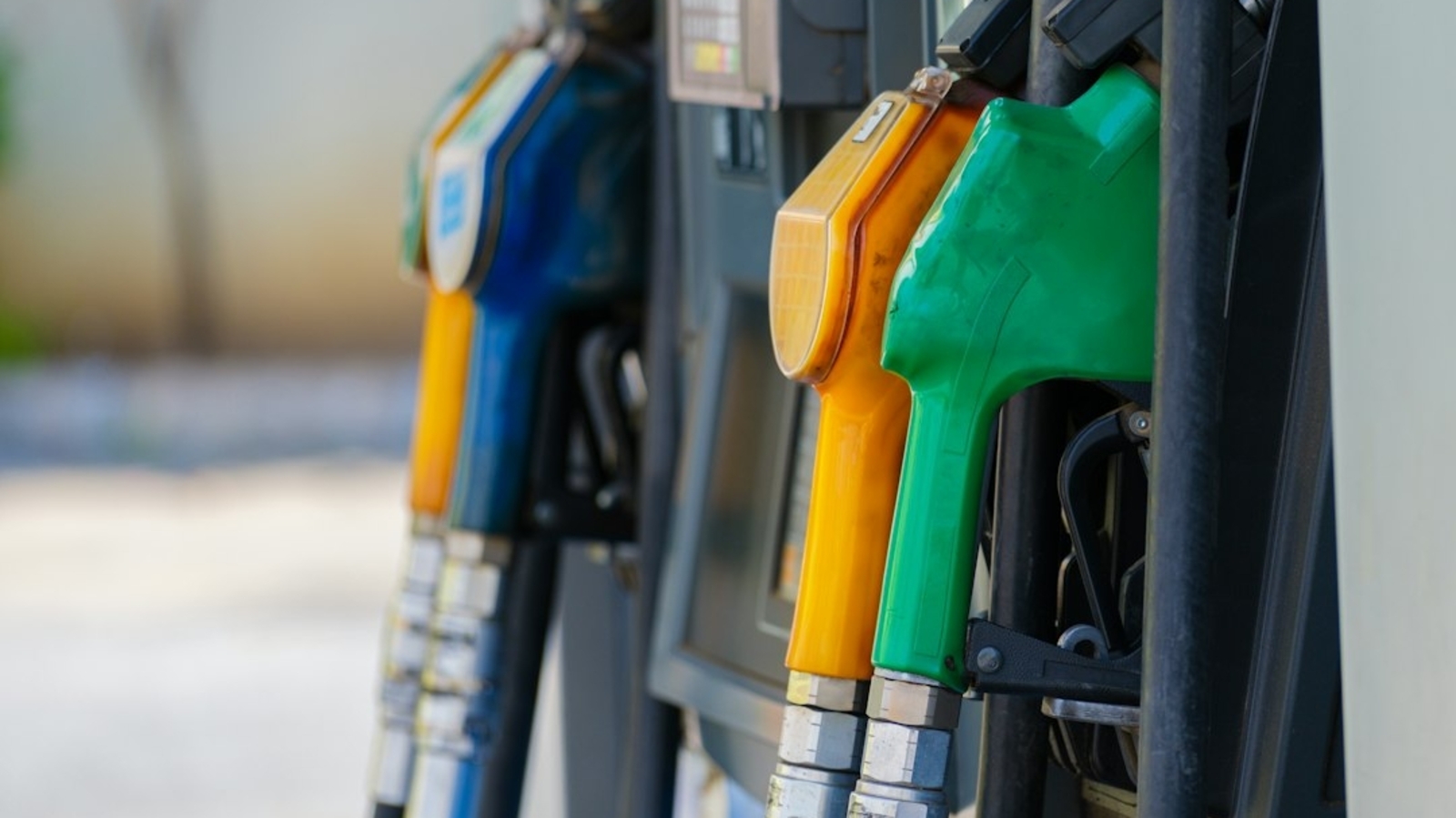
Government Updates Regulations to Incorporate E100 Capable Engines
The government has officially paved the way for the adoption of flex-fuel vehicles by amending existing automotive regulations. This policy shift permits the use of fuel blends exceeding the current E20 limit, extending all the way to pure E100.
These updates represent a significant milestone for indian transport policy. By facilitating high-ethanol usage, officials aim to reduce reliance on traditional fossil fuels. This regulatory change ensures that flex-fuel vehicles can operate legally on roads when engineered for such performance.
Regulatory Framework for Flex-Fuel Vehicles
A formal motor vehicle rules amendment now establishes the legal parameters for these advanced engines. This update is strictly limited to technology specifically designed and certified to handle higher concentrations of ethanol.
Authorities clarified that these specifications do not apply to standard automobiles currently on the road. Instead, the focus remains on ensuring that flex-fuel vehicles meet rigorous safety and performance benchmarks.
- Compliance with specific engine certifications is mandatory.
- Only vehicles engineered for high-ethanol blends are eligible.
- Standard vehicles remain restricted to lower ethanol percentages.
Implications of E100 Fuel Adoption
The transition toward e100 fuel signifies a major pivot in how the nation approaches automotive engineering. Using pure ethanol requires distinct technical adjustments to the fuel system and engine components.
Manufacturers must ensure that these flex-fuel vehicles maintain long-term durability. By supporting this transition, the government encourages innovation in internal combustion technology.
Advancing Ethanol Blended Fuel Standards
Integrating ethanol blended fuel into the mainstream market requires a robust regulatory environment. Strict adherence to updated vehicle emissions standards remains a top priority for all stakeholders.
These flex-fuel vehicles are expected to play a vital role in cleaner energy consumption. Future iterations of flex-fuel vehicles will likely benefit from the research and development prompted by these rule changes.
This regulatory evolution provides a clear roadmap for the automotive industry to pursue sustainable solutions. By clearly defining the operational scope of flex-fuel vehicles, the government minimizes confusion regarding fuel compatibility.
In conclusion, the recent legal updates provide a framework for high-ethanol engine adoption. While these rules do not apply to existing traditional cars, they establish a foundation for future automotive development. This structural change aligns with long-term goals for cleaner energy and industrial innovation.
More updates
Follow the latest India news and related coverage.
What's Your Reaction?
 Like
0
 Dislike
0
 Love
0
 Funny
0
 Wow
0
 Sad
0
 Angry
0

Vikram Singh is a sports journalist who has followed cricket and football from local grounds to international stadiums. His match reports and player profiles capture both the numbers and the emotion of the game. He is passionate about grassroots sport and young talent.











Comments (0)