
German labor shortage: New 90,000 Indian Worker Target Revealed
Germany requires over 90,000 Indian workers annually to tackle the german labor shortage. Discover Piyush Goyal’s recent insights on the opportunity.
Addressing the German Labor Shortage Through Indian Talent
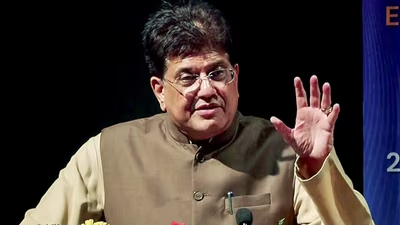
Germany faces a pressing need for international talent to sustain its economy, specifically highlighting the german labor shortage as a critical policy priority. Union Minister piyush goyal recently underscored this reality during his address at the isid-idra conference in New Delhi. He emphasized that the European nation is actively seeking to bridge its workforce gap by recruiting thousands of professionals.
Understanding the german labor shortage
The scale of the demand is substantial, with projections indicating a requirement for over 90,000 workers from India annually. This high volume of recruitment aims to stabilize various industrial sectors currently hampered by a lack of domestic personnel. Addressing the german labor shortage remains a central theme in ongoing diplomatic dialogues between the two nations.
Recent germany employment news reflects a shift toward more flexible immigration policies to attract international expertise. By streamlining bureaucratic hurdles, the country hopes to integrate foreign professionals more efficiently. This strategic move is vital for mitigating the impacts of the german labor shortage on manufacturing and technology sectors.
The Role of Skilled Migration India
The potential for skilled migration india to support European growth is significant given the country's vast demographic dividend. Indian professionals are increasingly viewed as essential partners in maintaining global supply chains. Several factors drive this interest in indian workers in germany:
- High levels of technical education among Indian graduates.
- Proven adaptability in diverse international work environments.
- Strong interest in cross-border professional development opportunities.
By focusing on these strengths, policymakers aim to alleviate the german labor shortage through targeted talent acquisition. This approach benefits both the host country and the individuals seeking global career paths. Furthermore, the german labor shortage serves as a catalyst for deeper educational and professional partnerships.
Diplomatic Insights and Future Prospects
During the isid-idra conference, piyush goyal recalled a specific interaction with the German foreign minister regarding these workforce requirements. The exchange highlighted the recognition that India possesses the necessary human capital to support German economic stability. Tackling the german labor shortage is now a shared objective that facilitates closer bilateral ties.
Enhanced cooperation regarding skilled migration india will likely define future economic strategies for both countries. As the demand persists, the focus will remain on simplifying visa processes and recognition of credentials. Ultimately, proactive measures to address the german labor shortage will determine the success of these long-term labor agreements.
In conclusion, the collaboration between India and Germany represents a strategic response to evolving global workforce needs. By prioritizing skilled migration india, both nations can achieve sustainable growth while fostering international professional integration. Addressing the german labor shortage through such cooperation remains a key pillar of modern diplomatic and economic engagement.
More updates
Follow the latest India news and related coverage.
What's Your Reaction?
 Like
0
 Dislike
0
 Love
0
 Funny
0
 Wow
0
 Sad
0
 Angry
0

Vikram Singh is a sports journalist who has followed cricket and football from local grounds to international stadiums. His match reports and player profiles capture both the numbers and the emotion of the game. He is passionate about grassroots sport and young talent.








Comments (0)