
Goa mining probe: Revealed truths behind the 2007 illegal stoppage
Why did the Goa mining probe fail to deliver justice? Explore how lack of evidence and endless delays stalled accountability for illegal operations.
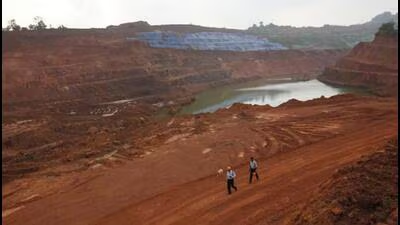
Stalled Justice: Unpacking the Failures of the Goa Mining Probe
The goa mining probe was once celebrated as a vital initiative to restore environmental standards and uphold the rule of law. Despite significant public attention, the search for accountability has produced few outcomes, leaving many residents disillusioned. This piece explores the reasons behind the state’s inability to resolve the controversy surrounding unauthorized extraction.
The Legal Framework and the Goa Mining Probe
The judiciary set a definitive standard for mining activities. In 2014, the Supreme Court declared that all mining operations occurring after November 22, 2007, were unlawful. This ruling was subsequently upheld in 2018, reinforcing the severity of the illegal activity that had occurred. Even with these judicial mandates, the goa mining probe failed to convert legal findings into successful criminal convictions.
Officials frequently pointed to a shortage of concrete evidence as the cause for these repeated delays. As a result, the issue remained stuck in a cycle of public discourse rather than achieving meaningful judicial resolution.
Challenges of the Goa Mining Investigation
The investigation encountered numerous obstacles that prevented a definitive conclusion. Bureaucratic complexity frequently created administrative burdens that obstructed forward movement. These procedural hurdles caused the original momentum behind the goa mining probe to fade away as time passed.
Several factors contributed to this administrative paralysis
- The constant shifting of investigative priorities.
- Difficulties in gathering forensic evidence from legacy sites.
- Prolonged litigation regarding the status of operating permits.
- Frequent changes in the committees tasked with oversight.
Why the Goa Mining Probe Remains Incomplete
Observers suggest that the goa mining probe suffered from a lack of sufficient political commitment to target major actors. Without firm leadership, the evidence remained largely inconclusive. Consequently, the term became associated with bureaucratic inactivity rather than systemic reform. Furthermore, the heavy emphasis on administrative permit issues distracted from the pursuit of criminal accountability.
Legal representatives spent years arguing over the validity of government orders rather than focusing on the core illicit activities. This tactical error ensured that the goa mining probe stayed trapped in a cycle of endless litigation. The absence of a centralized record-keeping system also hindered the effort. Without unified documentation, officials struggled to connect specific extraction timelines to particular operators.
This fundamental failure meant that the goa mining probe could not successfully penalize parties for violations occurring after the 2007 cutoff date. In conclusion, the failure to settle these matters serves as a cautionary tale for future regulatory endeavors. The inability to align judicial directives with practical enforcement has left a lasting mark on the region. True accountability remains elusive, demonstrating that clear legal definitions cannot succeed without robust administrative execution.
Key points: Goa Mining Probe
- Illegal Mining In Goa: latest updates on goa mining probe.
- Supreme Court Goa Mining: latest updates on goa mining probe.
- Illegal Mining Scam: latest updates on goa mining probe.
More updates
Follow the latest India news and related coverage.
What's Your Reaction?
 Like
0
 Dislike
0
 Love
0
 Funny
0
 Wow
0
 Sad
0
 Angry
0

Vikram Singh is a sports journalist who has followed cricket and football from local grounds to international stadiums. His match reports and player profiles capture both the numbers and the emotion of the game. He is passionate about grassroots sport and young talent.







Comments (0)