
RBI Treasury Bill Auction: Exclusive Rejection as Yields Surge
RBI treasury bill auction sees all bids rejected as short-term yields surge, with the 10-year government bond yield climbing to 7.44%.
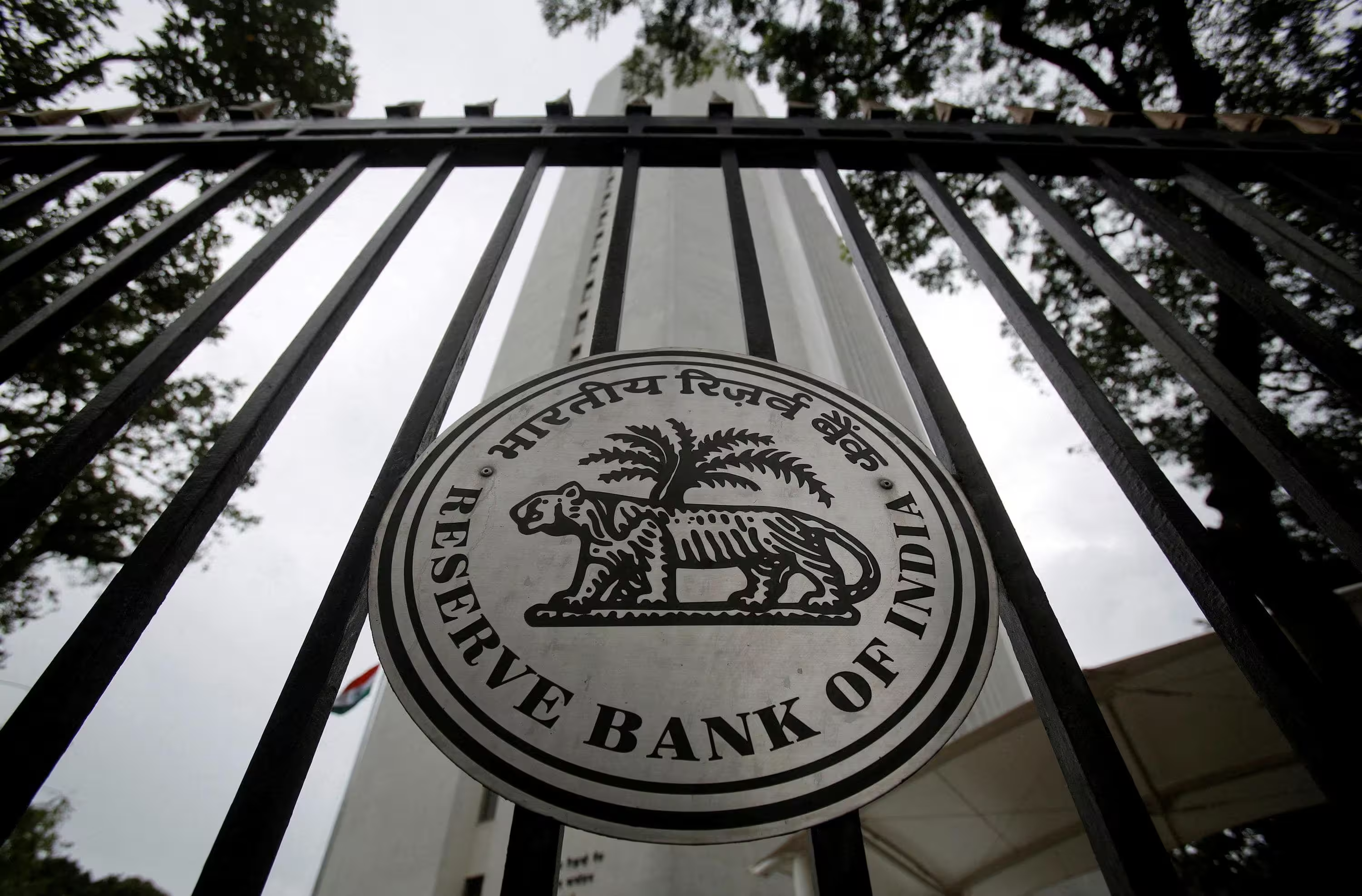
The recent RBI treasury bill auction has garnered significant attention as the Reserve Bank of India (RBI) rejected all bids during the Rs 23,000 crore offering. This decision has raised eyebrows in the financial community, particularly as short-term yields surge amidst changing economic conditions. Investors are keenly analyzing the implications of this rejection, especially given the concurrent rise in government bond yields.
The backdrop for this auction lies in a market currently grappling with inflationary pressures and shifting monetary policy. The benchmark 10-year government bond yield has risen to 7.44%, reflecting underlying confidence issues among investors regarding the near-term economic outlook. This article delves into the reasons behind the RBI's recent actions, the broader implications for the financial market, and the current climate of short-term yields.
RBI Treasury Bill Auction: An Overview
The RBI treasury bill auction serves as a critical mechanism for the government to manage its financial operations. It allows the government to borrow funds at short-term rates, which directly impacts liquidity in the economy. However, the recent auction's outcome has sparked discussions about the current state of the financial system.
- The RBI's rejection of all bids signifies a cautious approach.
- Market participants are left to ponder the future direction of short-term yields.
- The decision aligns with a backdrop of rising inflation and government borrowing needs.
The RBI treasury bill auction aimed to raise significant capital, but the absence of successful bids suggests a lack of investor confidence. As short-term yields surge, the market is responding to the changing dynamics, and the RBI's stance reflects a proactive approach to managing economic stability.
Short-Term Yields Surge: What It Means for Investors
Investors closely monitor short-term yields as they provide insights into market expectations and economic health. The surge in these yields indicates heightened inflationary pressures, prompting investors to demand higher returns to compensate for potential risks.
Several factors contribute to the rising short-term yields
- Increased inflation expectations.
- Anticipation of tighter monetary policy.
- Global economic uncertainties affecting local market sentiment.
These influences create a challenging environment for short-term investments, as higher yields may deter participation in future treasury bill auctions. Consequently, the RBI treasury bill auction remains a focal point for market observers trying to gauge the trajectory of interest rates.
Government Bond Yield Rise: Implications for the Economy
The recent rise in the 10-year bond yield to 7.44% has further complicated the landscape for both the RBI treasury bill auction and the broader financial market. Higher government bond yields generally signal increased borrowing costs for the government, which can have cascading effects throughout the economy.
Key implications of rising government bond yields include
- Higher costs for businesses and consumers borrowing money.
- Increased pressure on the RBI to adjust its monetary policy.
- Potential slowdown in economic growth due to reduced capital availability.
As the financial market news unfolds, it is clear that the RBI's rejection of bids will have lasting effects. The relationship between short-term yields and government bond yields is intricate, and current trends imply that investors are reassessing their strategies.
Conclusion
The RBI treasury bill auction has emerged as a pivotal moment in the context of a rapidly changing financial landscape. The rejection of all bids amidst a surge in short-term yields and a rise in the 10-year bond yield demonstrates the complexities of the current economic climate.
Market participants must navigate these changes carefully, as the implications of the RBI bids rejection could shape investment strategies moving forward. In this dynamic environment, the RBI's decisions will continue to influence market confidence and economic growth in the months ahead.
More updates
Follow the latest Market news and related coverage.
What's Your Reaction?
 Like
0
 Dislike
0
 Love
0
 Funny
0
 Wow
0
 Sad
0
 Angry
0

Sayantani Paul covers science, space and innovation. From ISRO missions to new research breakthroughs, she makes complex discoveries simple and exciting for readers. She enjoys inspiring curiosity in students and young minds.











Comments (0)