
West Asia Conflict: India’s New Official Plea to Restore Stability
India calls for urgent dialogue to resolve the ongoing West Asia conflict, as regional instability threatens vital fuel and fertilizer supply chains.
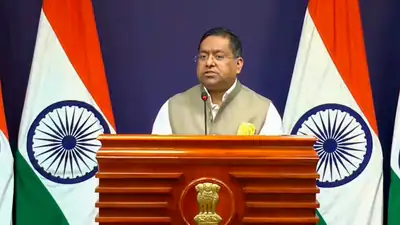
India Advocates for Urgent Diplomacy Amid Rising West Asia Tensions
New Delhi has consistently urged all involved parties to prioritize diplomatic channels to de-escalate the west asia conflict. The ongoing volatility threatens global stability and complicates essential supply chains. India remains deeply concerned about the broader implications of this intensifying geopolitical crisis.
Evaluating the West Asia Conflict and Economic Risks
The current west asia conflict has created significant logistical hurdles for emerging economies. Disruptions in maritime routes directly affect critical commodity arrivals. Policymakers are now monitoring the regional conflict impact on domestic inflation and trade balances.
Global markets have reacted sharply to the uncertainty surrounding energy security. The following sectors face immediate pressure due to the geopolitical climate:
- India fuel supply chains are under immense strain due to shipping delays.
- India fertiliser imports have become costlier as transit routes remain volatile.
- Industrial production costs are rising alongside global energy market fluctuations.
Security Challenges and Middle East Instability
Persistent middle east instability poses a direct threat to international maritime security. Recent escalations, including israel iran strikes, have heightened fears of a wider regional war. India maintains that military posturing will not resolve these deeply entrenched grievances.
Diplomatic engagement is the only viable path to long-term peace in the region. Neutrality remains the cornerstone of New Delhi’s approach to the west asia conflict. By calling for restraint, India aims to protect its strategic interests and ensure regional stability.
The frequency of israel iran strikes underscores the fragility of current security arrangements. Strategic autonomy allows India to engage with all parties while promoting de-escalation. These efforts are essential to prevent further deterioration of the west asia conflict.
Strategic Outlook and Supply Chain Resilience
Maintaining steady india fuel supply levels is a top priority for national energy security. Any prolonged west asia conflict could force a shift in trade dependencies. Diversification strategies are being explored to mitigate potential future shocks.
Protecting india fertiliser imports is equally vital for sustaining the agricultural backbone of the country. Officials are working to secure alternative logistics to bypass affected zones. This proactive stance helps cushion the economy against the worst effects of global middle east instability.
Addressing the Broader Regional Conflict Impact
The regional conflict impact extends beyond immediate borders, affecting global food and energy prices. New Delhi continues to advocate for a ceasefire to restore order. This approach reflects India’s commitment to a rules-based international order.
Diplomatic pressure remains the most effective tool to curb the west asia conflict. Engagement with international partners is necessary to foster an environment conducive to dialogue. India intends to continue its role as a voice of reason in these turbulent times.
In conclusion, India’s call for dialogue serves as a reminder of the necessity for peace. Protecting trade interests remains central to managing the consequences of the west asia conflict. Sustained diplomatic efforts are the only way to ensure lasting regional security.
More updates
Follow the latest India news and related coverage.
What's Your Reaction?
 Like
0
 Dislike
0
 Love
0
 Funny
0
 Wow
0
 Sad
0
 Angry
0

Ananya Das writes about food, fashion, travel and modern living. Her stories mix practical tips with warm, personal storytelling. She enjoys exploring local traditions and discovering the small things that make everyday life better.







Comments (0)