
Delhi Metro curbs: Breaking Supreme Court Contempt Plea Filed
SC receives contempt plea against Delhi Home Secretary and Police Chief over Delhi metro curbs during the Jantar Mantar protest. Read more.
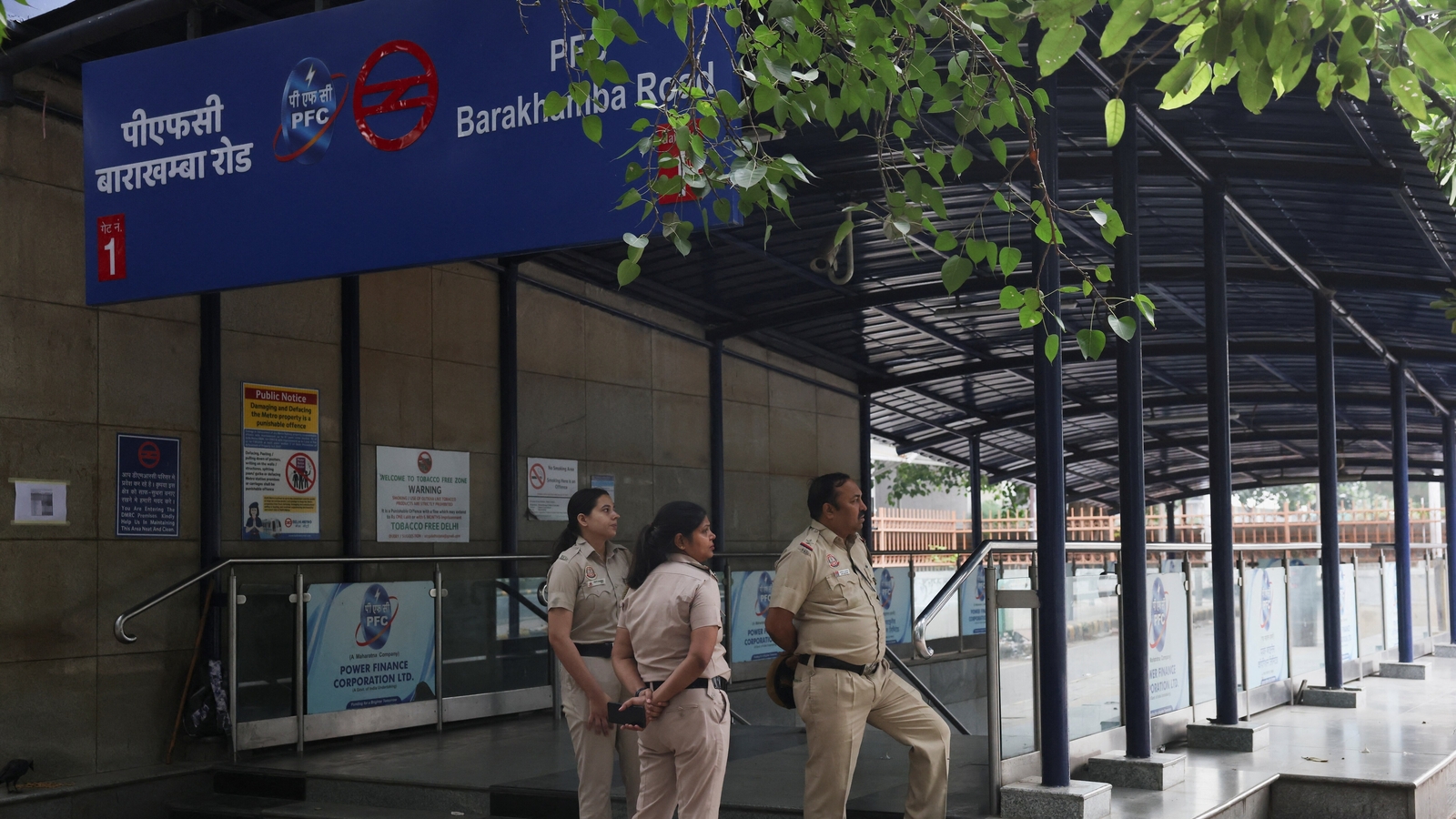
Legal Challenge Mounts Over Transit Restrictions Amid Protest
A fresh supreme court contempt plea has been filed regarding the recent delhi metro curbs imposed across the national capital. Authorities restricted transit access on Saturday to manage security concerns surrounding a planned demonstration.
The petition explicitly names the Union Home Secretary and the delhi police chief as respondents in this matter. This legal action challenges the severity of the measures implemented to control public movement.
Impact of the Jantar Mantar Protest
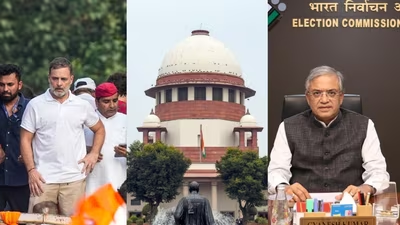
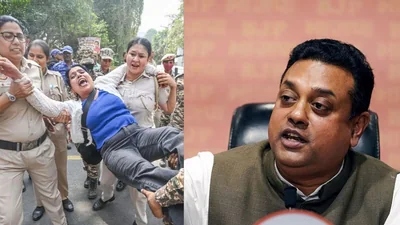
The primary trigger for these widespread delhi metro curbs was a scheduled jantar mantar protest. Demonstrators from the cockroach janta party gathered to voice grievances regarding election commission protocols.
Specifically, the group raised objections against cec gyanesh kumar and the recent SIR exercise. These security arrangements led to significant disruptions for daily commuters across the city.
Analyzing the Delhi Metro Curbs
The administrative decision to implement delhi metro curbs resulted in the closure of several key stations. Officials maintained that these transit limitations were necessary to preserve public order during the gathering.
However, critics argue that the broad application of delhi metro curbs infringed upon the fundamental rights of citizens. The legal filing seeks accountability for the decision-making process behind these closures.
The following points summarize the core tensions
- The cockroach janta party organized a rally at jantar mantar.
- Security forces restricted rail access to prevent potential unrest.
- Petitioners claim the move was an overreach of executive authority.
Regulatory Response and Accountability
The supreme court contempt plea highlights concerns over the coordination between central and local departments. By naming the delhi police chief, the petitioners aim to scrutinize the operational protocols used during the event.
Furthermore, the involvement of the Home Secretary underscores the national significance of these delhi metro curbs. Legal experts are now evaluating whether the state exceeded its legal mandate by limiting public infrastructure.
The discourse surrounding the actions of cec gyanesh kumar and the electoral body remains a central theme. Protesters utilized the jantar mantar protest as a platform to demand greater transparency.
As the court reviews the supreme court contempt plea, the focus remains on the proportionality of the response. The state must now justify why such extensive delhi metro curbs were deemed essential for maintaining peace.
In conclusion, the situation reflects a growing tension between security requirements and public mobility. The upcoming judicial proceedings will determine if the officials named in the petition acted within the scope of their duties. Future urban management strategies will likely be shaped by the court's ultimate verdict on these transit limitations.
More updates
Follow the latest India news and related coverage.
What's Your Reaction?
 Like
0
Like
0
 Dislike
0
Dislike
0
 Love
0
Love
0
 Funny
0
Funny
0
 Wow
0
Wow
0
 Sad
0
Sad
0
 Angry
0
Angry
0

Ananya Das writes about food, fashion, travel and modern living. Her stories mix practical tips with warm, personal storytelling. She enjoys exploring local traditions and discovering the small things that make everyday life better.




Comments (0)