
Delhi unauthorised colonies: New extension for 1,511 area act
Delhi's special law protecting illegal structures faces another extension, even as PM-JAY sees a tepid response in 1,511 delhi unauthorised colonies.
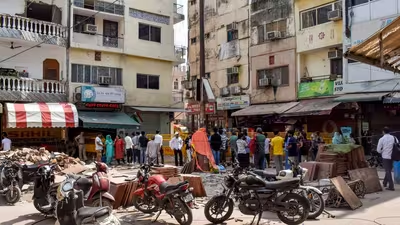
Future of Urban Planning: Delhi Extends Protections for Unplanned Zones
Latest on Delhi Unauthorised Colonies: The government is currently considering another extension for the special provisions law that shields delhi unauthorised colonies from punitive action. This legislative move aims to maintain the status quo for properties currently lacking formal legal recognition. Policymakers are balancing urban development goals with the immediate housing needs of residents living in delhi unauthorised colonies.
Navigating the Status of Delhi Unauthorised Colonies
The legal landscape surrounding property rights in the capital remains complex and evolving. Officials often rely on the special provisions law to prevent immediate demolition of buildings built outside standard building bylaws. Frequent extensions of this law highlight the ongoing challenges regarding delhi unauthorised colonies and their integration into the city grid.
The administration remains focused on finding a sustainable pathway for property regularisation delhi. Such efforts are essential to ensure long-term stability for homeowners. Updates regarding this policy are frequently tracked in illegal construction news reports across the region.
The Role of Current Development Policies
Integrating these areas into the formal economy involves complex coordination between various municipal agencies. The delhi land policy plays a critical role in determining how these regions can eventually be converted into planned urban landscapes. Without a clear framework, many residents in delhi unauthorised colonies remain in a state of legal uncertainty regarding their assets.
Strategic planning is required to address the infrastructure deficits often found in these dense settlements. The government continues to evaluate how these zones can align with broader urban development mandates. Currently, the following elements define the administrative approach:
- Periodic reviews of the special provisions law to prevent displacement.
- Ongoing monitoring of illegal construction news to manage new developments.
- Coordination with the delhi land policy to facilitate future infrastructure integration.
Challenges in Implementation and Scheme Uptake
While legislative protections exist, the practical implementation of regularisation schemes faces significant hurdles. Currently, there is an extremely tepid response to the pm-jay scheme as it pertains to the regularisation of properties. Many residents in delhi unauthorised colonies have yet to fully engage with the provided mechanisms for formalizing their status.
There is a noticeable gap between the available legal frameworks and the actual adoption rate by citizens. Observers note that the pm-jay scheme requires better outreach to be truly effective for property owners. Ultimately, the future of delhi unauthorised colonies depends on bridging this gap between policy design and local participation.
The government continues to prioritize these extensions to avoid housing crises while searching for permanent solutions. Balancing the need for strict land regulations with the realities of human habitation remains a delicate task. Stakeholders are watching closely to see if future amendments will encourage higher participation in official regularisation paths. Consistent updates will likely remain a staple of local urban affairs coverage for the foreseeable future.
More updates
Follow the latest India news and related coverage.
What's Your Reaction?
 Like
0
 Dislike
0
 Love
0
 Funny
0
 Wow
0
 Sad
0
 Angry
0

Ananya Das writes about food, fashion, travel and modern living. Her stories mix practical tips with warm, personal storytelling. She enjoys exploring local traditions and discovering the small things that make everyday life better.








Comments (0)