
History of Garba: The Essential Guide to Its Ancient Roots
Discover the ancient roots of Gujarat’s harvest rituals. Explore the history of garba and Dandiya Raas as they evolved into global Navratri traditions.
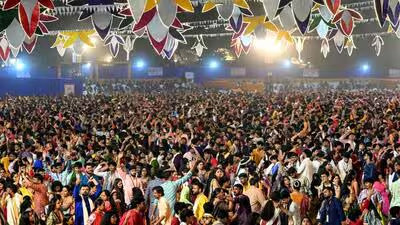
HistoriCity: A Short History of the Ancient Origins of Garba-Raas
The history of garba finds its beginnings in the cultural traditions of western India. These rhythmic movements originated as vital expressions of communal spirit and devotion. Exploring the past reveals why these practices now resonate with audiences worldwide.
Rooted in Gujarat Harvest Rituals and the History of Garba
Many experts link the earliest forms of this dance to the agricultural cycles of the region. These agrarian customs honored the seasonal bounty through synchronized circular movements. Participants gathered in harmony to mark these vital transitions. The practice maintains a deep connection to the land.
Early performers relied on repetitive, grounded steps to demonstrate gratitude and social cohesion. Over the years, these rituals evolved into a cornerstone of regional folk art.
The Evolution of Navratri Traditions
The expansion of seasonal festivities transformed these local customs into a worldwide cultural phenomenon. As the celebrations grew, the movement became inseparable from major religious observances. Practitioners gradually refined the patterns and steps that define the performances we see today. Unique styles grew to become essential parts of these holiday celebrations.
While the techniques have shifted over time, the primary spiritual purpose has persisted. This progression demonstrates how cultural practices adapt while maintaining their fundamental identity.
Distinguishing Garba and Dandiya Raas
Contemporary festivities often merge these two styles into a single, energetic event. Although they share a common background, each retains distinct mechanical features. Analysts often point to these primary differences:
- Garba generally centers on circular clapping sequences performed around a central focal point.
- Dandiya Raas incorporates the use of wooden sticks to generate rhythmic percussion between dancers.
- Both expressions require significant collective stamina and precise coordination.
These two art forms work in tandem to enrich the festival experience. They provide participants with varied methods to interact with the music and beat. By uniting these traditions, society preserves a shared cultural heritage.
Conclusion
The influence of these rhythmic customs continues to thrive internationally. From modest origins as simple community gatherings, they have expanded into grand cultural spectacles. Studying the timeline of these dances fosters a deeper appreciation for the meaning behind every motion. These ancient traditions remain a fundamental aspect of contemporary identity.
Key points: History Of Garba
- Navratri Dance Traditions: latest updates on history of garba.
- Ancient Garba Origins: latest updates on history of garba.
More updates
Follow the latest India news and related coverage.
What's Your Reaction?
 Like
0
 Dislike
0
 Love
0
 Funny
0
 Wow
0
 Sad
0
 Angry
0

Vikram Singh is a sports journalist who has followed cricket and football from local grounds to international stadiums. His match reports and player profiles capture both the numbers and the emotion of the game. He is passionate about grassroots sport and young talent.







Comments (0)