
Supreme Court Questions Two-Child Norm for Panchayat Election Candidates
Supreme Court calls Maharashtra's two-child election disqualification law outdated, questions its 2003 verdict, and orders a review of similar laws in seven states.

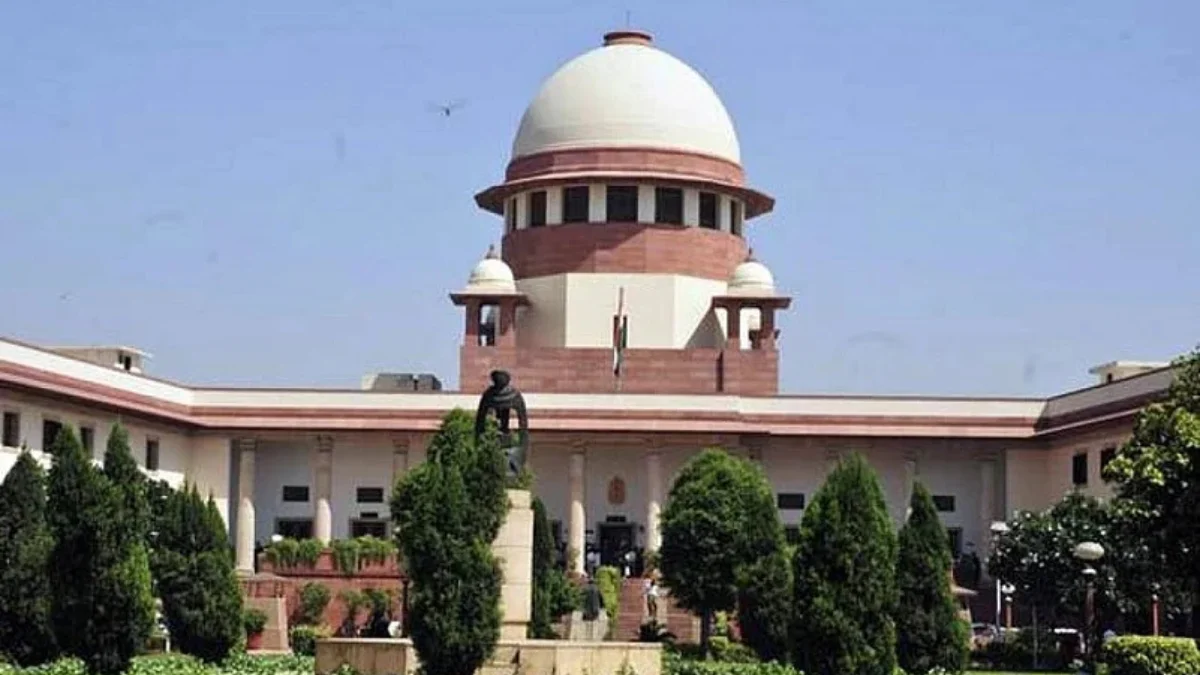
NEW DELHI — The Supreme Court on Tuesday questioned the constitutional relevance of laws that disqualify candidates with more than two children from contesting panchayat elections, calling the decades-old policy outdated.
A bench of Justices P.S. Narasimha and Alok Aradhe was hearing a plea filed by Mangala Bhimrao Ingle, a former sarpanch in Maharashtra who was disqualified from office after authorities determined she had a third child. The Bombay High Court had earlier upheld her disqualification under the Maharashtra Village Panchayats Act, 1959, which bars individuals with more than two children from holding the office of panchayat member or sarpanch.
During the hearing, the bench said the two-child norm appeared to have outlived its purpose, citing India's changing demographic trends.
Court Signals Review of 2003 Precedent
The bench indicated that its 2003 ruling in Javed v. State of Haryana, which upheld a similar Haryana law disqualifying candidates with more than two living children, may require reconsideration. Justice Narasimha questioned whether such state laws remain justified in light of India's declining fertility rate.
The Court appointed an amicus curiae to examine comparable two-child disqualification laws in seven states and directed the petitioner's counsel to research the matter further. In a related order dated November 4, 2025, the Court had stayed a Bombay High Court judgment upholding a similar disqualification.
Case Background
Ingle was disqualified from her post in October 2024 by the additional collector of Buldhana district after a complaint alleged she had a third child. Her appeal was dismissed by the additional commissioner of Amravati division, and the Bombay High Court upheld both orders in August 2025.
What Happens Next
The case is expected to continue, with the Supreme Court weighing whether to undertake a broader constitutional review of two-child eligibility laws across states.
What's Your Reaction?
 Like
1
Like
1
 Dislike
0
Dislike
0
 Love
0
Love
0
 Funny
0
Funny
0
 Wow
0
Wow
0
 Sad
0
Sad
0
 Angry
0
Angry
0





Comments (0)