
Bipadtarini Puja 2026: Auspicious Dates, Essential Rituals, and Strict Rules for the Vrata
Discover the auspicious dates for Bipadtarini Puja 2026 (July 18 & 21). Learn the essential rules, the significance of 13, and what to avoid during the Vrata.

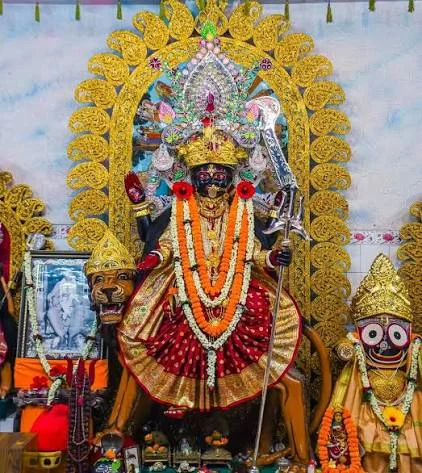
In the vibrant tapestry of Bengali Hindu traditions, where the saying "thirteen festivals in twelve months" rings true, Bipadtarini Puja holds a deeply revered and unique position. Dedicated to Goddess Sankatnashini—one of the 108 powerful avatars of Maa Durga—this sacred Vrata (fast) is traditionally observed by mothers and women to shield their families from impending dangers and ensure uninterrupted domestic peace.
According to folk beliefs and the Hindu calendar, this highly auspicious puja is performed on the Tuesdays and Saturdays that fall between the Ratha Yatra and the Ulta Ratha (Return Car Festival) during the month of Ashadha.
If you are planning to observe the Vrata this year, here is everything you need to know about the dates, necessary items, and the strict guidelines you must follow.
Bipadtarini Puja 2026: The Auspicious Dates
For the year 2026, devotees have two exceptionally powerful days in July to worship the Goddess and seek her divine protection:
-
First Day: July 18, 2026 (Saturday / 1st Shravana)
-
Second Day: July 21, 2026 (Tuesday / 4th Shravana)
Both days offer an ideal astrological alignment for the puja, allowing devotees to choose either date for their fasting and rituals.
The Significance of the Number '13' and Puja Samagri
The most defining characteristic of the Bipadtarini Vrata is the absolute prominence of the number 13. To successfully appease the Goddess, almost every offering must be presented in a count of thirteen.
What must be in your Puja Dala (offering tray)?
-
A traditional Ghat (earthen pot), fresh mango leaves, and a whole coconut with its stem intact.
-
13 types of fruits and 13 varieties of flowers.
-
13 betel leaves (Paan) and 13 betel nuts (Supari).
-
13 separate strands of Durva grass.
-
The Sacred Red Thread: 13 individual strands of red thread tied together with exactly 13 knots, entwined with 13 pieces of Durva grass.
Important Note: After the rituals conclude, this sacred knotted thread—often called a 'Dor' or 'Taaga'—must be tied around the left arm for women and the right arm for men. Tradition dictates that it must be worn for at least three days to ward off evil.
Strict Rules and Taboos: What to Avoid
Observing the Bipadtarini Vrata requires intense devotion and strict adherence to traditional rules. A slight misstep is believed to displease the deity.
Do's and Don'ts for the Day:
-
Dietary Restrictions: It is highly recommended to consume a strictly vegetarian meal the day before the puja. On the day of the Vrata, devotees must observe a complete fast.
-
Breaking the Fast: After offering the Pushpanjali, the fast is traditionally broken by eating exactly 13 Luchis (fried flatbreads) and 13 pieces of fruit as Prasad. Consuming rice, wheat, or any heavy meals throughout the day is strictly prohibited.
-
Maintain Complete Silence: Scripture mandates maintaining absolute silence (Maun Vrata) while the core puja rituals are actively taking place. Talking during this time is considered disrespectful and may anger the Goddess.
-
Financial Restrictions: Do not lend or borrow money from anyone on this day, especially individuals outside your immediate family.
-
Never Give Away Sugar: On the day of the puja, do not give sugar to anyone outside your home. Astrologically, sugar is a symbol of the planets Venus and the Moon; giving it away on this specific day is believed to invite financial instability into the household.
By following these ancient guidelines with pure devotion, families believe they can overcome life's greatest hurdles and invite enduring prosperity and peace into their homes.
What's Your Reaction?
 Like
2
Like
2
 Dislike
0
Dislike
0
 Love
0
Love
0
 Funny
0
Funny
0
 Wow
0
Wow
0
 Sad
0
Sad
0
 Angry
0
Angry
0








Comments (0)