
India Delhi protests: Official rebuttal to UN over 2,000 detainees
India rejects UN criticism over the detention of 2,000 protesters, labeling it unwarranted interference in the india delhi protests and internal affairs.
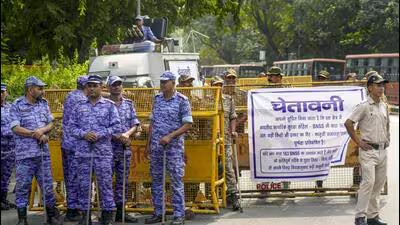
Latest on India Delhi Protests: New Delhi has officially dismissed critical comments from international monitors regarding recent demonstrations. The government characterized these remarks as an unwarranted interference in the nation's sovereign matters. Officials maintained that legal measures taken during these events remain strictly within the scope of domestic policy.
Analyzing the UN rights body stance on india delhi protests
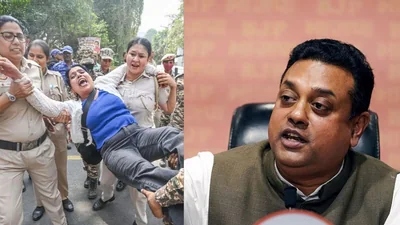
The United Nations human rights office expressed concern following the detention of approximately 2,000 demonstrators. These individuals were taken into custody during recent public gatherings as tensions rose in the capital. Global observers signaled apprehension regarding the protection of civil liberties during these events. The Indian government countered these assertions through official diplomatic channels.
It stated that international human rights frameworks do not authorize external commentary on local law enforcement operations. This firm response highlights the ongoing strain regarding international oversight of national security actions.
The Controversy Over Delhi Protest Detentions
The primary point of contention involves the scope of recent custodial actions taken against demonstrators. Authorities argue that maintaining public order is a fundamental duty of the state. Critics abroad suggest that these measures may stifle freedom of expression during large-scale public assemblies. India’s Ministry of External Affairs emphasized that its judicial system remains independent and robust.
They noted that the management of recent demonstrations followed established national statutes. The government stance includes several key arguments:
- National security mandates the regulation of large public assemblies.
- Domestic legal processes govern all custodial actions impartially.
- External monitoring of internal public order issues lacks jurisdictional legitimacy.
Sovereignty and International Scrutiny
Maintaining the integrity of its own governance remains a top priority for New Delhi. The government views the recent remarks as a misunderstanding of local security challenges. Officials insist that interactions with global organizations should be based on mutual respect for sovereignty. The discourse surrounding these events underscores the sensitivity of international reporting.
India continues to assert that it is fully capable of managing its own democratic processes. By rejecting the feedback, the state seeks to prevent foreign entities from shaping its policy on law enforcement. The government remains committed to its existing approach toward public order. Future interactions between New Delhi and global organizations will likely focus on these boundaries.
Protecting the narrative of national autonomy will continue to be a cornerstone of the country’s diplomatic policy. In conclusion, the situation reflects a significant disagreement over the limits of international oversight. India remains steadfast in its refusal to accept outside criticism regarding its handling of demonstrators. Balancing global expectations with domestic authority continues to define the current path for the nation.
Key points: India Delhi Protests
- Un Human Rights: latest updates on india delhi protests.
- India Un Relations: latest updates on india delhi protests.
- India Internal Affairs: latest updates on india delhi protests.
More updates
Follow the latest India news and related coverage.
What's Your Reaction?
 Like
0
Like
0
 Dislike
0
Dislike
0
 Love
0
Love
0
 Funny
0
Funny
0
 Wow
0
Wow
0
 Sad
0
Sad
0
 Angry
0
Angry
0

Vikram Singh is a sports journalist who has followed cricket and football from local grounds to international stadiums. His match reports and player profiles capture both the numbers and the emotion of the game. He is passionate about grassroots sport and young talent.




Comments (0)