
Menstrual hygiene policy: Supreme Court Reveals Official Concerns
The Supreme Court slams states and UTs for failing to implement the national menstrual hygiene policy. Are fundamental rights being ignored on paper?
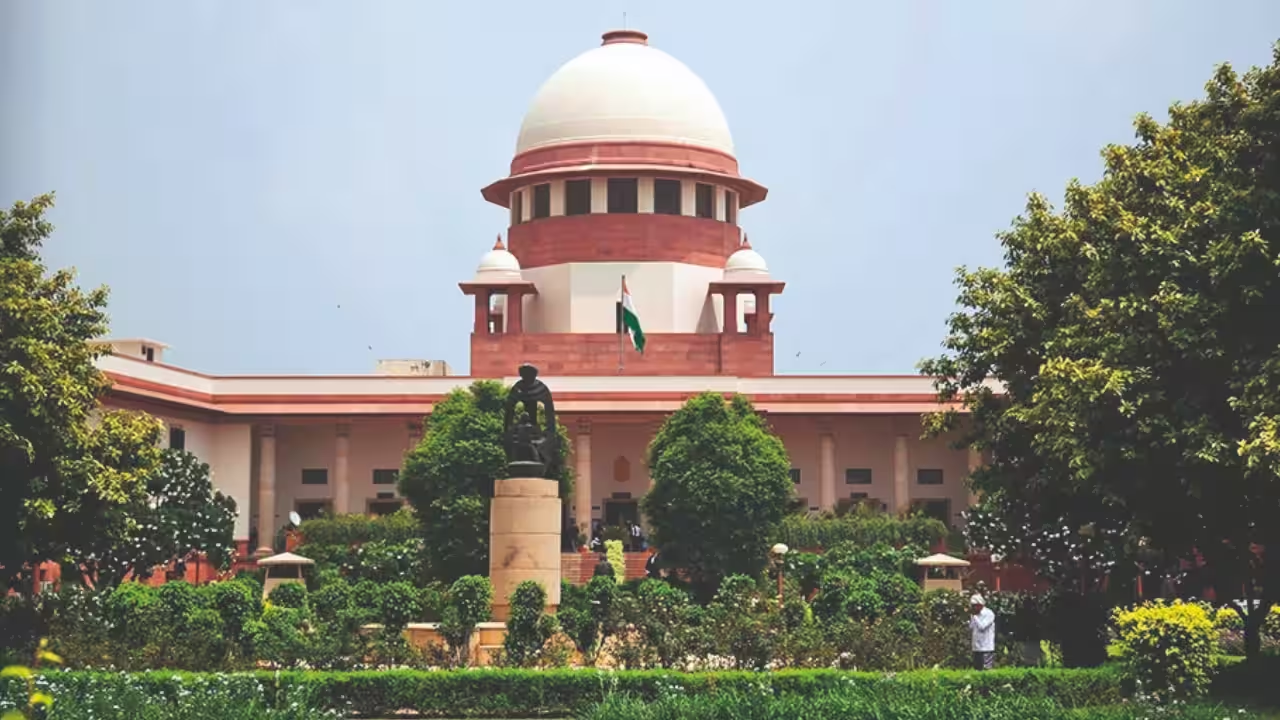
Judicial Intervention: Addressing State Inaction on Menstrual Health
Latest on Menstrual Hygiene Policy: The Supreme Court recently voiced significant frustration regarding the lack of cooperation from various regions concerning a national menstrual hygiene policy. Despite clear judicial directives, many administrations have failed to provide the necessary feedback to the central government. This silence undermines the effective implementation of a cohesive menstrual hygiene policy across the country.
Ensuring access to sanitary products remains a critical component of modern india sanitation policy. The judiciary is now questioning how authorities intend to uphold menstrual health rights if compliance remains stagnant. Without active participation, any proposed menstrual hygiene policy will likely fail to reach those who need it most.
Supreme Court Demands Accountability
A bench comprising Justices J.B. Pardiwala and R. Mahadevan expressed sharp disapproval during recent proceedings. They questioned how the Union and the states ut menstrual hygiene departments expect to fulfill these fundamental rights if mandates exist only on paper. The supreme court menstrual hygiene oversight serves as a stern reminder that constitutional obligations cannot be ignored.
This ongoing situation highlights a disconnect between federal goals and local execution. Officials must prioritize the menstrual hygiene policy to ensure that basic dignity is protected. The court’s intervention underscores the gravity of this issue in current reproductive health news.
Challenges in Implementing a Menstrual Hygiene Policy
Effective policy deployment requires a unified effort from all governing tiers. Many regions have yet to submit the required status reports to the central authorities. This bureaucratic lag directly stalls the progress of any comprehensive menstrual hygiene policy designed to support citizens.
Several factors contribute to these significant delays in administrative reporting
- Lack of localized data regarding sanitary product distribution.
- Inadequate coordination between regional health departments and the Centre.
- Failure to prioritize public health infrastructure updates.
Ensuring Rights Through Consistent Action
The judiciary has made it clear that administrative apathy is unacceptable. Authorities must view a robust menstrual hygiene policy as a mandatory service rather than an optional task. Persistent inaction forces the court to intervene more strictly to protect the vulnerable.
Ultimately, the goal is to transform policy frameworks into tangible improvements on the ground. A well-functioning menstrual hygiene policy is essential for fostering a healthier, more equitable society. All stakeholders must now align their efforts to meet these urgent requirements.
In conclusion, the Supreme Court’s firm stance marks a pivotal moment for public health governance. By demanding accountability, the court seeks to bridge the gap between policy intent and actual delivery. Consistent reporting and active implementation remain the only paths toward achieving these fundamental rights for everyone.
More updates
Follow the latest Law & Gov news and related coverage.
What's Your Reaction?
 Like
0
 Dislike
0
 Love
0
 Funny
0
 Wow
0
 Sad
0
 Angry
0

Farhan Ahmed is a fact-checking journalist who investigates viral claims, edited media and misinformation. He uses careful research and trusted sources to tell readers what is true and what is not. He is dedicated to making the internet a more reliable place.










Comments (0)