
RBI cash auction: Essential move as market rates spike after 3 months
Banks are tapping the RBI cash auction for the first time in three months as market rates spike following record liquidity absorption. Read more here.
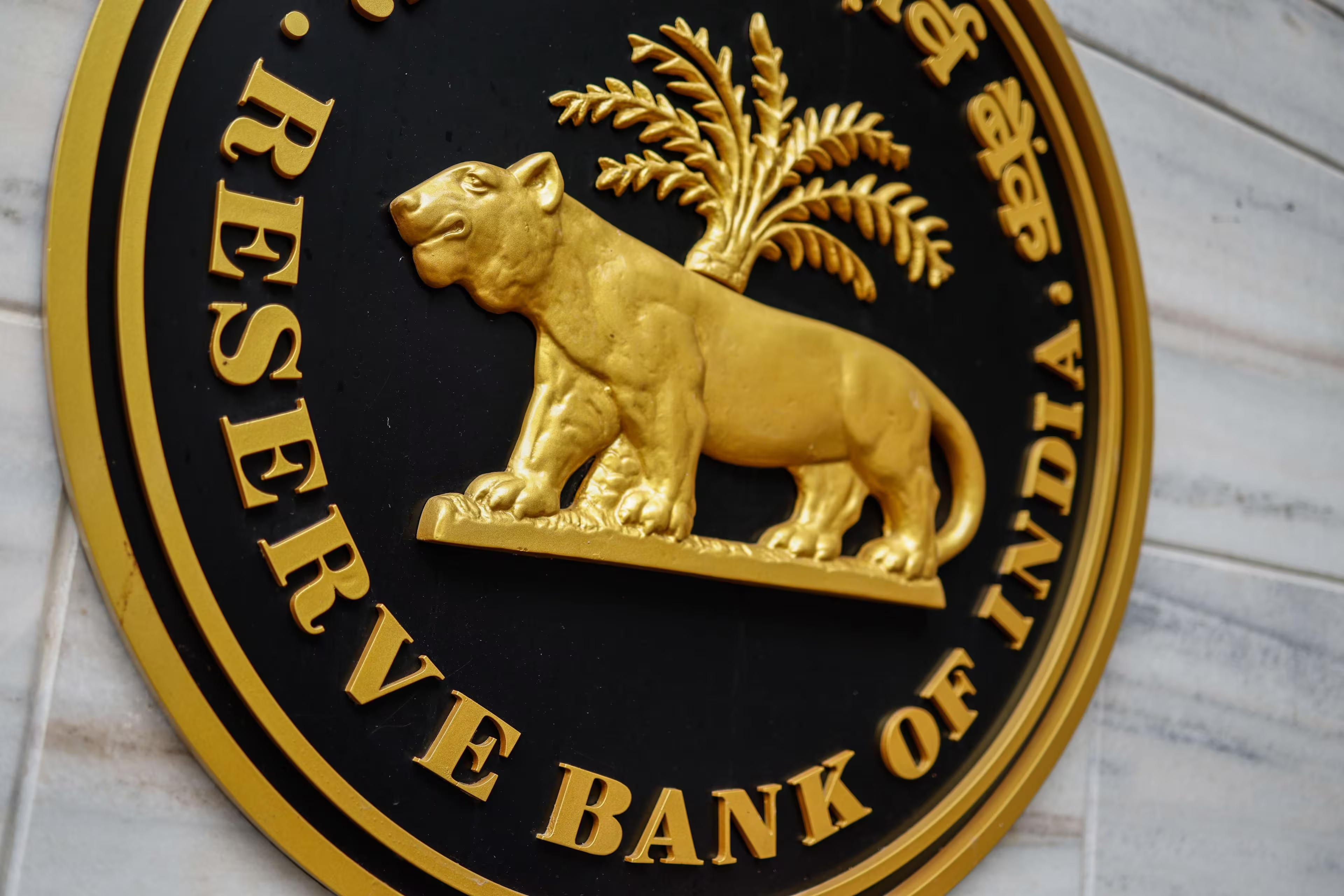
Tightening Conditions Prompt Rare Liquidity Injection by Regulator
Indian commercial banks have officially requested funds through an rbi cash auction for the first time in three months. This strategic shift follows a period characterized by tightening monetary conditions and rising borrowing costs. Financial institutions sought these funds as short-term funding costs began to climb rapidly.
The move marks a departure from the recent trend of absorbing excess funds. Previous months saw the central bank liquidity position remain in surplus due to specific capital inflows. Now, the rbi cash auction serves as a vital tool to stabilize the broader financial system.
Shifts in the rbi cash auction and Market Dynamics
The banking sector recently faced a sudden crunch in available cash reserves. Several factors contributed to this reversal, forcing banks to approach the regulator for support. Market participants observed that the rbi cash auction was necessary to prevent a spike in overnight borrowing costs.
The current landscape of indian banking liquidity has transformed significantly over the last quarter. Banks are now navigating a deficit environment rather than the previous surplus. This change highlights the sensitivity of the rbi money market to sudden shifts in fund flows.
- Short-term funding costs have surged unexpectedly.
- Banks require immediate support to maintain daily operations.
- The rbi cash auction helps mitigate volatility in interest rates.
Impact of Capital Inflows and Diaspora Deposits
Surplus liquidity previously reached record levels due to specific external factors. Large inflows stemming from diaspora deposits were mobilized to defend the local currency against depreciation. These funds effectively acted as a buffer for the domestic financial system for several months.
However, the absorption of these funds by the regulator kept the system balanced. Once these inflows moderated, the rbi cash auction became essential to manage the transition. The recent uptick in market interest rates reflects this tightening environment.
The regulator maintains a cautious stance on managing these systemic fluctuations. By conducting an rbi cash auction, the authority ensures that banks have sufficient buffer. This proactive approach helps keep the rbi money market functioning smoothly during periods of stress.
Strategic Objectives of Liquidity Management
The primary goal remains the maintenance of stable borrowing costs across the economy. A successful rbi cash auction provides a safety valve for banks facing temporary mismatches. If the rbi cash auction were not utilized, institutions might face prohibitive costs to meet their reserve requirements.
Efficient management of central bank liquidity is crucial for long-term fiscal stability. The regulator continues to monitor the impact of diaspora deposits on the broader monetary base. Adjusting the frequency of an rbi cash auction remains a key policy instrument for the central authority.
Maintaining equilibrium in the indian banking liquidity pool is a delicate task. When market interest rates spike, the central bank must act decisively to calm nerves. This recent intervention demonstrates the flexibility of current regulatory tools in managing complex financial environments.
In conclusion, the decision to trigger this facility reflects the evolving nature of domestic finance. By utilizing the rbi cash auction, the regulator effectively addresses the current scarcity of funds. This intervention remains vital to ensure that the banking sector continues to support the broader economy without disruption.
More updates
Follow the latest Market news and related coverage.
What's Your Reaction?
 Like
0
 Dislike
0
 Love
0
 Funny
0
 Wow
0
 Sad
0
 Angry
0

Karan Bhatia is a business reporter who focuses on banking, real estate and the stock market. He explains how policy changes and market movements affect investors and families. His reports are well researched and easy to follow.








Comments (0)