
Rahul Gandhi Urges CEC Resignation: New Revelations on Election Probe
Rahul Gandhi urges CEC Gyanesh Kumar to resign and turn approver, claiming he isn't the "main criminal" behind alleged vote-theft in India's elections.
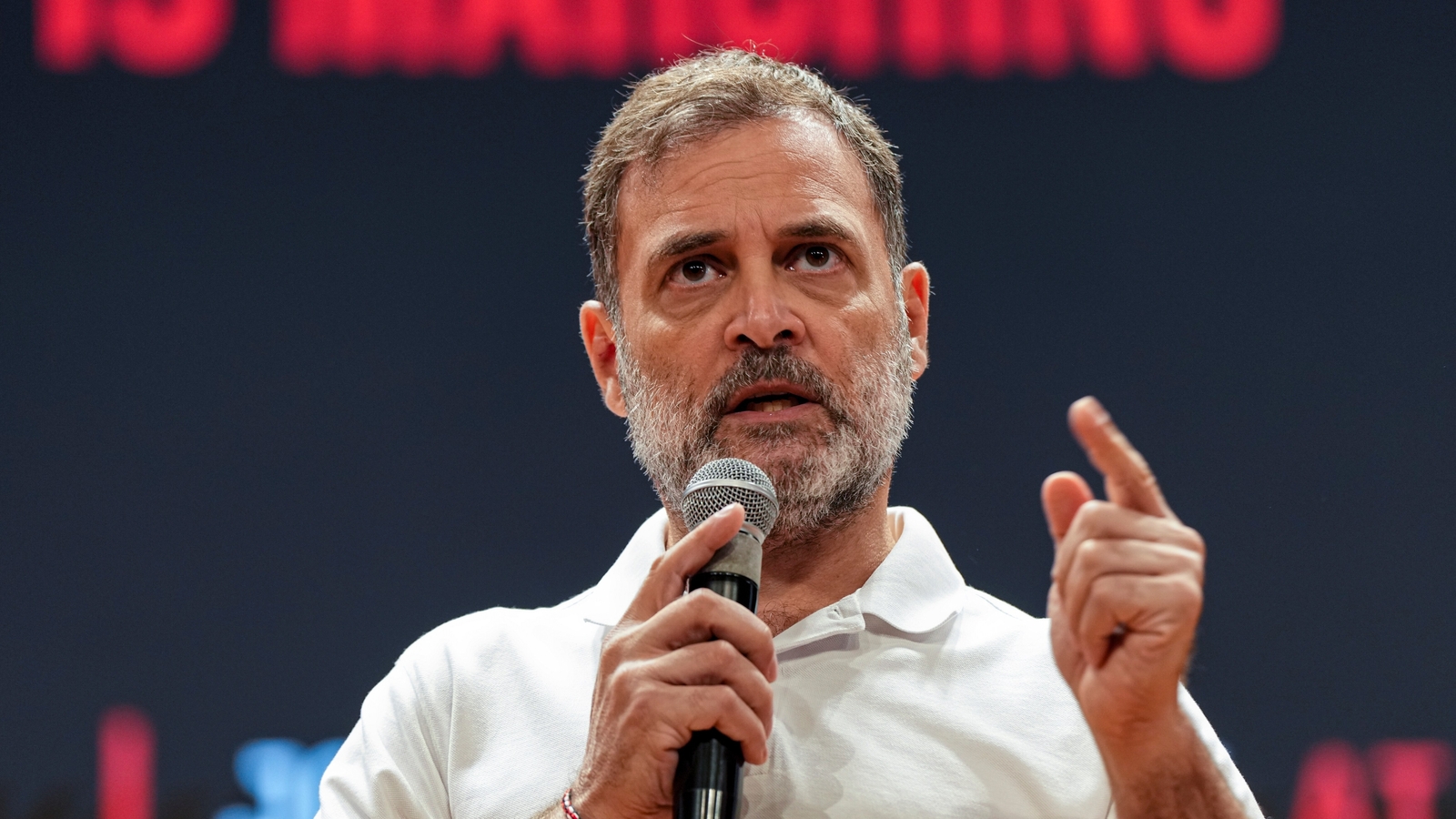
Recent political discourse has intensified as rahul gandhi addressed the Election Commission regarding integrity concerns. The leader focused his rhetoric on the role of officials during recent electoral processes. This development highlights deep tensions within current indian politics.
Rahul Gandhi Targets Election Commission Integrity
The political landscape is currently dominated by an election commission controversy. During a recent public statement, rahul gandhi directed his comments toward the leadership of the commission. He specifically addressed gyanesh kumar regarding the administration of the voting process.
These remarks have sparked widespread debate across the spectrum of opposition news. The core of the demand revolves around institutional accountability. Many observers are closely monitoring how these accusations impact public trust.
Calls for CEC Resignation and Accountability
The discourse reached a peak when the demand for a cec resignation was placed on the table. rahul gandhi suggested that officials should reconsider their positions given the gravity of the allegations. He argued that transparency is essential for democratic health.
The following points summarize the core of his recent argument
- rahul gandhi claims the current leadership failed to protect the sanctity of the vote.
- He explicitly suggested that gyanesh kumar should step down from his post.
- The opposition leader offered a unique perspective on potential legal pathways for these officials.
Legal Implications and the Path Forward
A striking element of the rhetoric involves the concept of turning an approver. rahul gandhi stated that the primary focus remains on the masterminds behind alleged irregularities. He emphasized that the legal system might show leniency toward those who cooperate.
The suggestion implies that gyanesh kumar is not viewed as the primary architect of the alleged theft. By framing the official as a secondary figure, rahul gandhi attempts to break the current administrative wall. This strategy aims to uncover those who truly orchestrated the events.
The Potential for Institutional Reform
Whether these demands will lead to structural changes remains uncertain. The election commission controversy has clearly polarized legislative bodies. Supporters of the opposition argue that such scrutiny is necessary for future fairness.
However, critics of this approach worry about the impact on institutional stability. Constant pressure on the commission could potentially hamper day-to-day operations. The ongoing friction reflects the broader challenges facing democratic institutions today.
The standoff between political leadership and the commission continues to evolve. As rahul gandhi maintains his stance, the public waits for further evidence or official responses. The future of electoral oversight depends heavily on how these disputes are ultimately resolved.
In conclusion, the call for accountability underscores the volatile nature of modern governance. The demand for officials to step down and provide information indicates a high level of frustration within the opposition. All eyes remain on the commission as this situation develops further.
More updates
Follow the latest India news and related coverage.
What's Your Reaction?
 Like
0
Like
0
 Dislike
0
Dislike
0
 Love
0
Love
0
 Funny
0
Funny
0
 Wow
0
Wow
0
 Sad
0
Sad
0
 Angry
0
Angry
0

Vikram Singh is a sports journalist who has followed cricket and football from local grounds to international stadiums. His match reports and player profiles capture both the numbers and the emotion of the game. He is passionate about grassroots sport and young talent.



Comments (0)