
Bipadtarini Puja 2026 Date: Rituals and Sacred Rules for the Annual Vrata
Know the Bipadtarini Puja 2026 date, puja rituals, significance of the number 13, essential samagri and important fasting rules for observing the sacred Bengali Hindu Vrata.

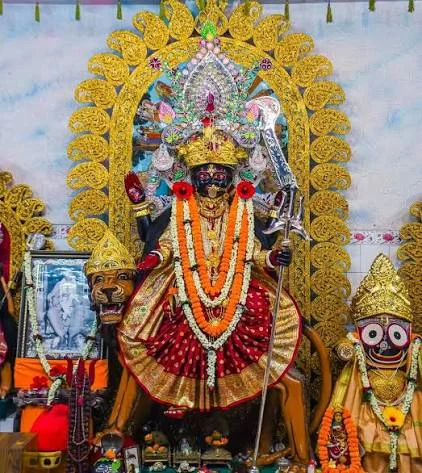
Bipadtarini Puja 2026: One of Bengal's most significant religious observances, Bipadtarini Puja, will be celebrated on two auspicious dates this year—July 18 (Saturday) and July 21 (Tuesday). Dedicated to Maa Sankatnashini, a revered manifestation of Goddess Durga, the annual Vrata is observed primarily by women who pray for the safety, prosperity and well-being of their families.
The sacred observance takes place during the period between Jagannath Ratha Yatra and Ulta Ratha in the Hindu month of Ashadha. According to traditional beliefs, devotees undertake fasting, perform special rituals and offer prayers seeking protection from unforeseen dangers and obstacles.
Auspicious Dates for Bipadtarini Puja 2026
With Jagannath Ratha Yatra falling on July 16, 2026, devotees can observe the Bipadtarini Vrata on either of the two traditionally significant days before Ulta Ratha on July 24.
The auspicious dates are:
• July 18, 2026 (Saturday – 1st Shravana)
• July 21, 2026 (Tuesday – 4th Shravana)
Both dates are regarded as suitable for offering prayers to Maa Bipadtarini according to customary Hindu traditions.
Importance of the Number 13 in the Vrata
A distinctive feature of Bipadtarini Puja is the repeated use of the number 13 throughout the rituals. Devotees traditionally prepare offerings in sets of thirteen as part of the worship.
The essential puja materials include a traditional earthen pot (Ghat), fresh mango leaves, a whole coconut, 13 varieties of fruits, 13 different flowers, 13 betel leaves, 13 betel nuts, and 13 strands of Durva grass.
Another important ritual item is the sacred red thread prepared using 13 strands tied with exactly 13 knots and combined with 13 pieces of Durva grass. After the puja, the thread is traditionally tied on the left arm of women and the right arm of men and is generally worn for at least three days.
Important Fasting Rules and Rituals
Devotees observing the Bipadtarini Vrata are traditionally advised to consume only vegetarian food on the day before the fast. On the day of worship, a complete fast is maintained until the primary rituals and Pushpanjali are completed.
According to customary practices, the fast is broken by consuming 13 luchis along with 13 pieces of fruit offered as Prasad. Heavy meals, including rice and wheat-based foods, are generally avoided for the remainder of the day.
Many devotees also observe silence during the main puja rituals as a mark of devotion and respect while the worship is being performed.
Traditional Customs and Precautions
Traditional beliefs associated with the Bipadtarini Vrata advise devotees not to lend or borrow money on the day of the puja, particularly with individuals outside the immediate family.
Another long-followed custom discourages giving sugar to others on the day of the observance. According to religious belief, sugar symbolically represents prosperity, and retaining it within the household is considered auspicious.
By observing the rituals with devotion and following the customary guidelines, devotees believe Maa Bipadtarini blesses families with protection from hardships, peace, prosperity and well-being.
What's Your Reaction?
 Like
2
Like
2
 Dislike
0
Dislike
0
 Love
2
Love
2
 Funny
0
Funny
0
 Wow
0
Wow
0
 Sad
0
Sad
0
 Angry
0
Angry
0









Comments (0)