
EC Solves Mismatches in 2002 Voter List Ahead of Draft Release
Karnataka Election Commission launches family-mapping and form distribution drives to resolve severe database mismatches in the historical 2002 voter list.

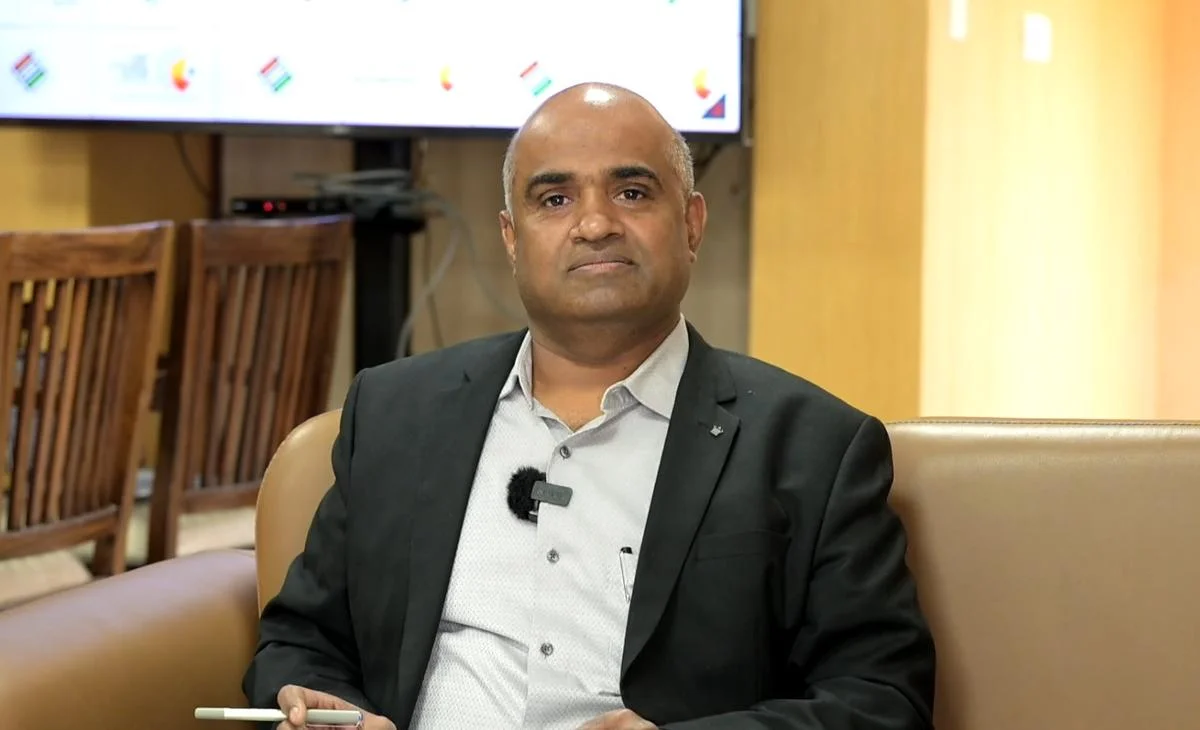
The Election Commission in Karnataka has launched a comprehensive verification initiative to resolve widespread voter confusion concerning missing names from the historical 2002 voter list. Spearheaded by Chief Electoral Officer V. Anbukkumar as part of the ongoing Special Intensive Revision (SIR) process, this targeted clean-up campaign aims to protect democratic integrity and prevent citizen disenfranchisement ahead of the state's official publication of the draft electoral rolls on August 5.
Local election authorities are working to reconcile decades-old voter records with the current eligible voting population. The massive administrative task addresses structural discrepancies that have historically left thousands of legitimate electors off the state's active rolls. Following the publication of the draft rolls in August, citizens across Karnataka will be granted a dedicated window to verify their registration details, file formal claims, and submit necessary objections to ensure their participation in upcoming elections.
Remedial Actions and Form Distribution Challenges
To mitigate the confusion surrounding legacy records, the state election commission has instituted a direct remedy for affected citizens. Submitting a physically signed enumeration form to designated Booth Level Officers (BLOs) remains the most reliable method for voters to guarantee their inclusion if their historical details cannot be retrieved from the 2002 voter list database. Chief Electoral Officer V. Anbukkumar formally urged impacted residents to submit these forms with whatever verified personal information they currently have available, assuring the public that this documentation is entirely sufficient to secure a place on the draft rolls.
The logistical scale of this documentation drive is unprecedented in the region. Out of 5.5 crore enumeration forms printed for this drive, election authorities have successfully distributed 89 percent across the state. Furthermore, officials confirmed that 51 percent of Karnataka’s 59,050 local polling booths have achieved 100 percent form distribution within their respective jurisdictions.
Despite the high distribution rates, authorities face a notable digitization lag. Currently, only 19.3 percent of the distributed paper forms have been completed, returned by voters, and successfully processed into the electronic system.
Technical Hurdles and Database Mismatches
The transition to digital submissions has exposed significant technical bottlenecks. Online submissions currently account for a negligible 0.3 percent of the total volume of processed applications. Election Commission officials stated that this low digital adoption rate is heavily driven by systemic verification mismatches occurring between legacy voter ID details and national identity database records, specifically within current Aadhaar data sets. These synchronization errors frequently flag legitimate citizens as inconsistent, forcing the electoral apparatus to rely heavily on physical, ground-level verification methods.
To bypass these data constraints, the Election Commission has completed over 90 percent of a specialized voter-mapping exercise. This initiative programmatically links documented 2002 electors with family members who achieved voting eligibility in subsequent years. Electoral officials noted that this localized family-mapping framework will significantly reduce logical inconsistencies during the final verification phases, allowing authorities to trace valid lineages and validate long-term residency.
Accountability and Post-Draft Protocols
The rigorous cleanup process has already identified a significant volume of problematic data. More than 3.3 lakh electors across Karnataka have been formally flagged under categories including absent, untraceable, shifted, deceased, or duplicate entries. To ensure absolute transparency and prevent arbitrary deletions, these specific flagged cases will be turned over to regional political parties via Booth Level Agents, who will conduct independent field verifications to cross-check the official findings.
A rigid merit-based review framework will govern the post-draft phase starting in August. For records that remain unresolved after the initial draft publication, local Electoral Registration Officers (EROs) will issue formal written notices directly to mismatched or untraceable voters. Recipients of these notices will be required to present supporting documents to their local authorities, initiating a transparent review process to finalize the state’s voting lists. This multi-tiered initiative remains critical to cleaning the active electoral roll, minimizing computational errors, and maintaining absolute public trust in the state's democratic infrastructure.
What's Your Reaction?
 Like
0
Like
0
 Dislike
0
Dislike
0
 Love
0
Love
0
 Funny
0
Funny
0
 Wow
0
Wow
0
 Sad
0
Sad
0
 Angry
0
Angry
0


Comments (0)