
Election Commission rules: Exclusive look at the rejected MP meeting
Why did the Election Commission reject the INDIA bloc's meeting request? Explore the election commission rules and protocol behind this controversy.

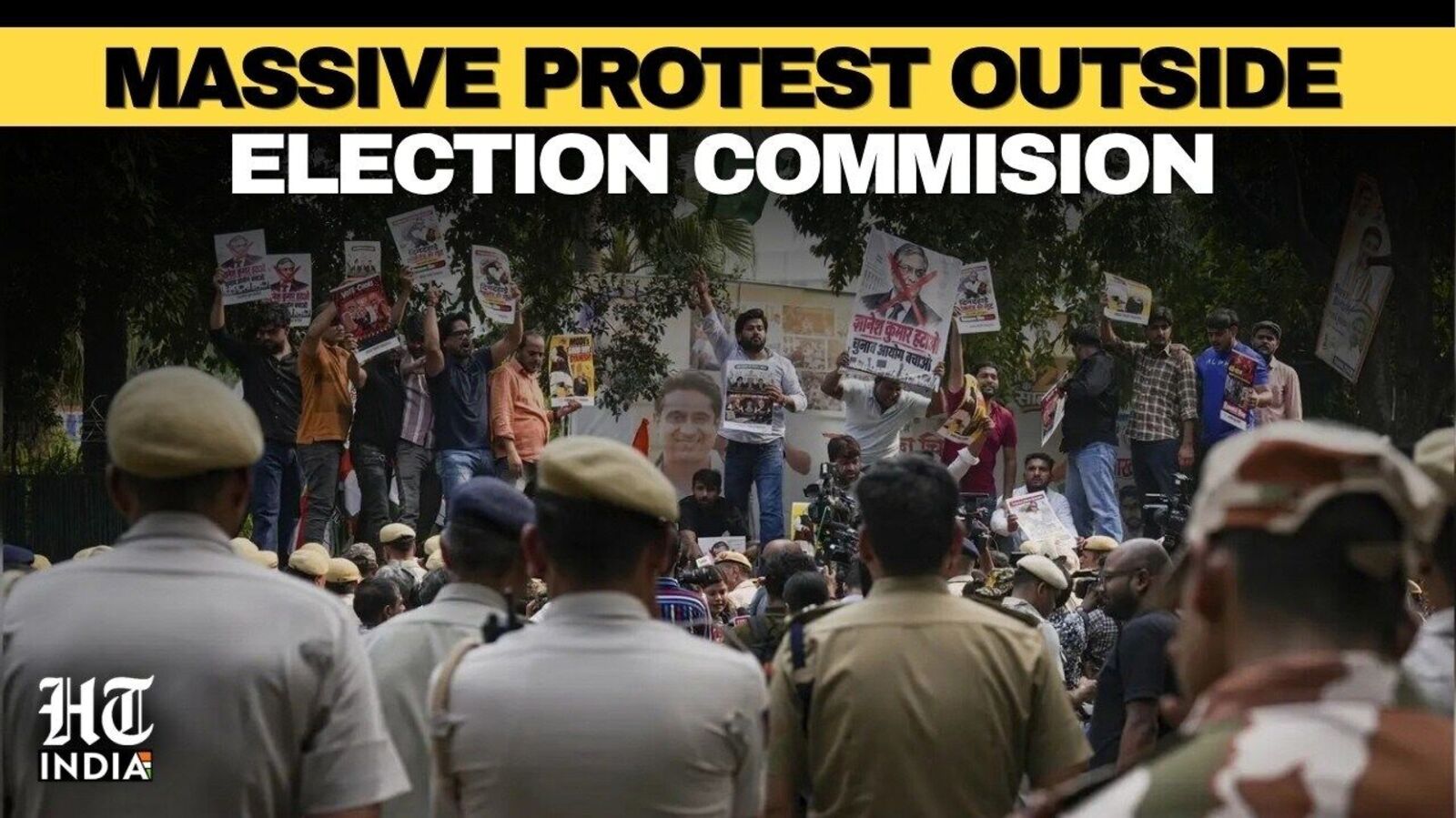
Decoding the Standoff: EC Rejection of INDIA Bloc Meeting Request
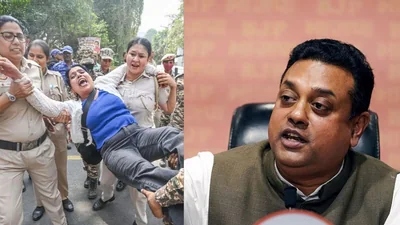
Significant debate has emerged regarding established election commission rules following a recent interaction between the opposition and the constitutional body. This friction began after the india bloc protest requested a direct audience with officials to address electoral concerns. Understanding why the institution denied this request requires clarity on these specific election commission rules. Procedural hurdles caused the rahul gandhi ec meeting request to face a formal rejection.
The institution maintained its position on formal communication channels by strictly adhering to its ec meeting protocol. This analysis explores the framework governing these interactions and the reasoning provided by the authorities.
Understanding Election Commission Rules and Protocols
A poll panel statement clarified that officials deemed the proposed meeting venue inappropriate. Observers noted that the manner in which the delegation arrived was highly unusual. Strict election commission rules dictate how political representatives must interact with the constitutional body to ensure neutrality. The following points summarize the primary objections raised by the institution regarding the meeting:
- The requested venue did not align with the standard ec meeting protocol.
- The approach used by the delegation deviated from formal engagement procedures.
- The institution prioritized institutional decorum over the unconventional request.
The Role of Gyanesh Kumar and Institutional Stability
Gyanesh kumar remains central to the administrative functions of the body as a key official. Collective decisions ensure that high-level meetings uphold the integrity of the election commission rules. Internal guidelines prevent any perception of bias during sensitive political periods. Maintaining professional boundaries serves as a cornerstone of the election commission rules.
The commission is bound to intervene whenever a request bypasses standard administrative filters. Every interaction must remain strictly within the scope of established legal frameworks to ensure fairness.
Why the INDIA Bloc Request Was Declined
The poll panel statement emphasized that the institution must operate without external pressure. By rejecting the meeting, the commission signaled its commitment to its own election commission rules. Officials argued that adhering to protocol is vital for public trust. Tension between political advocacy and administrative procedure is highlighted by the india bloc protest.
Ultimately, the commission maintains that its internal election commission rules are designed to protect the independence of the electoral process. The refusal serves as a firm reminder that procedural compliance is mandatory for all political entities. Formal systems are essential, as the standoff between the delegation and the constitutional body underscores. Political discourse is necessary, yet it must occur within the boundaries defined by law.
The commission remains steadfast in its application of these standards to ensure consistency. Future engagements will likely require a stricter adherence to the established protocols to avoid similar administrative impasses.
More updates
Follow the latest Politics news and related coverage.
What's Your Reaction?
 Like
0
Like
0
 Dislike
0
Dislike
0
 Love
0
Love
0
 Funny
0
Funny
0
 Wow
0
Wow
0
 Sad
0
Sad
0
 Angry
0
Angry
0


Comments (0)